About Corn
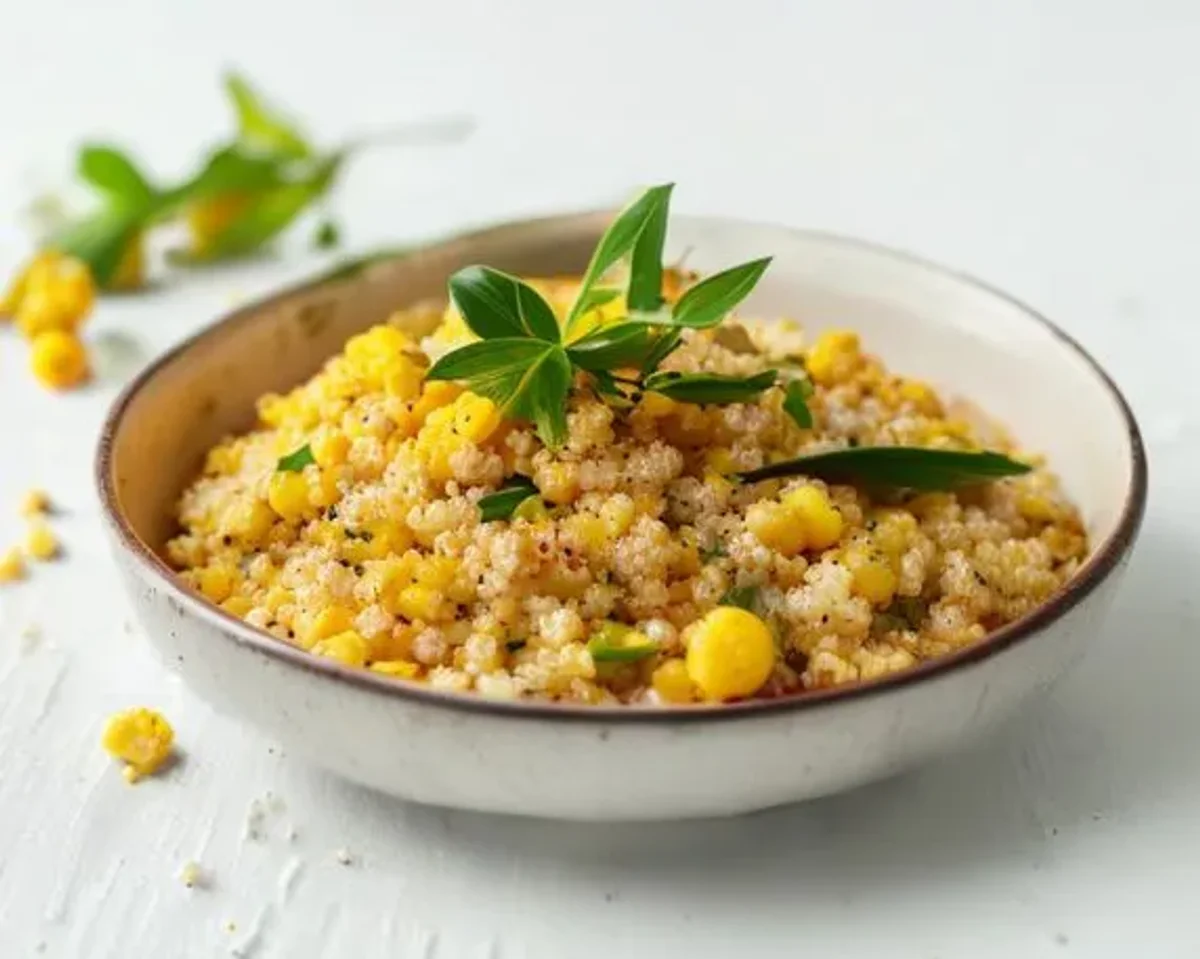
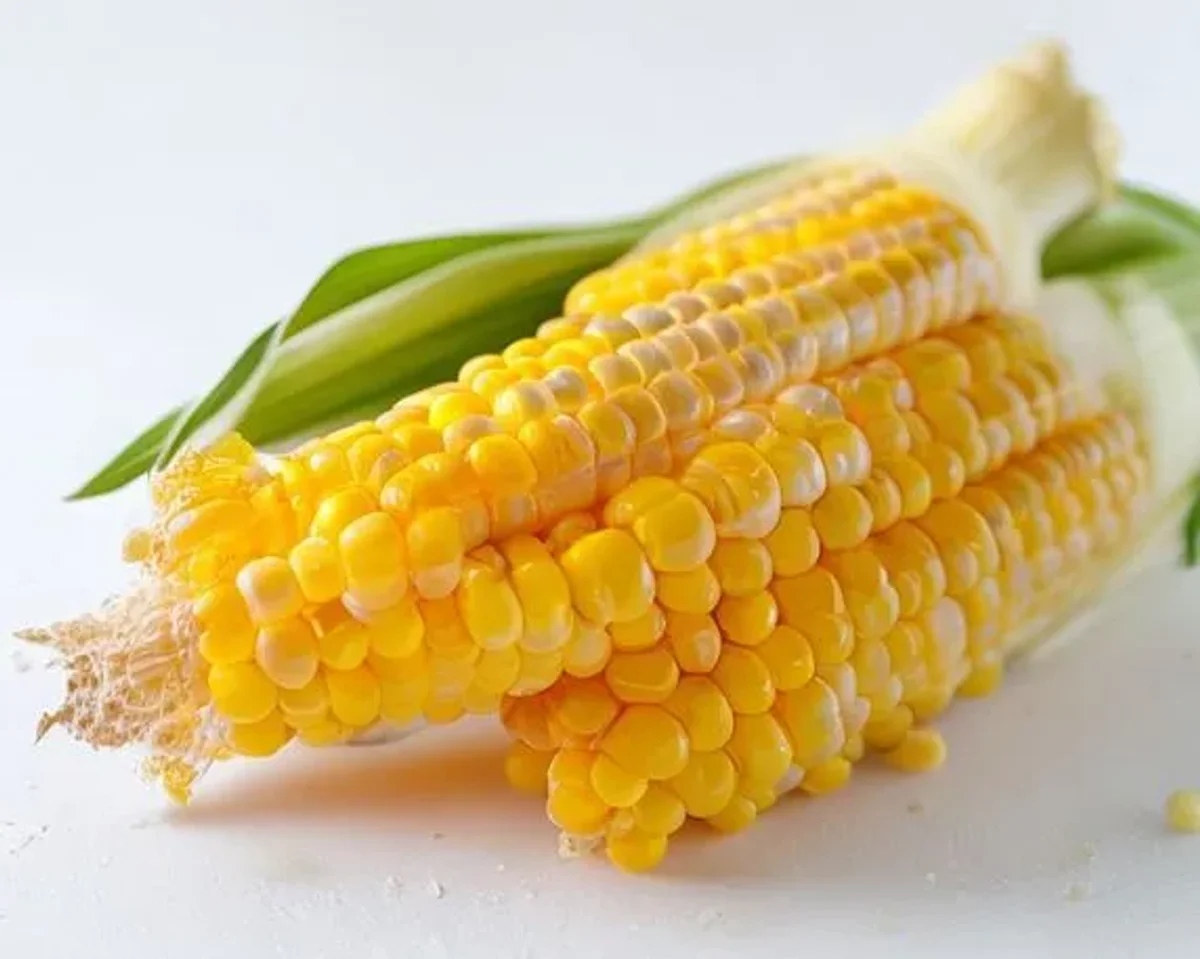
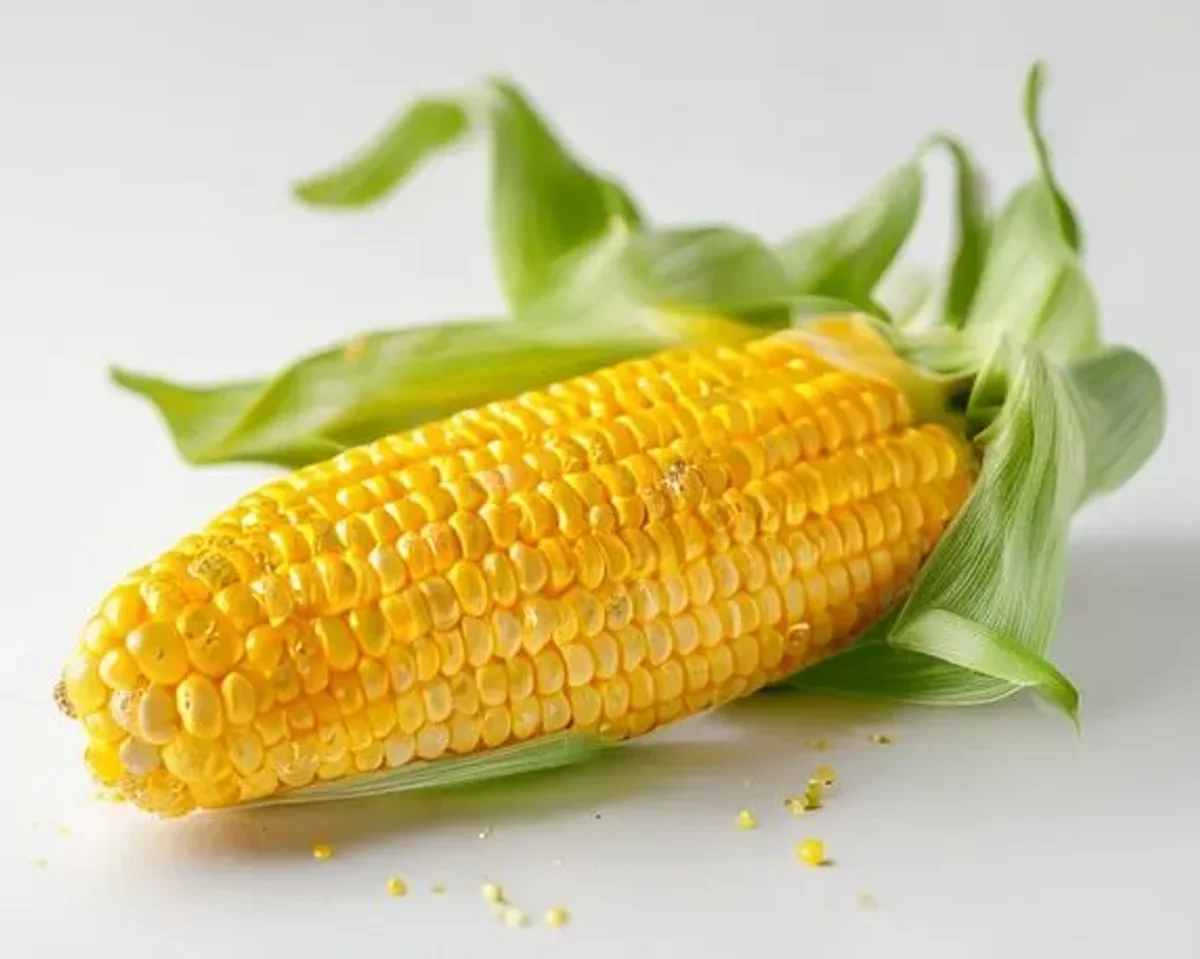
Corn, also known as maize, is a cereal grain that originated in Mexico. It is one of the most widely cultivated crops in the world. It can be eaten as a whole kernel, or processed into flour, oil, syrup, or ethanol.
Corn is a good source of carbohydrates, fiber, and antioxidants. It can help provide energy, regulate blood sugar, and prevent oxidative stress. However, it also contains a lot of starch, which may raise blood glucose levels and increase the risk of diabetes.
Lysine Considerations
Lysine, a important amino acid, is required by the body to synthesize proteins and bolster the immune system.
Lysine has the potential to prevent or treat cold sores, which are blisters caused by the HSV-1 virus, also known as herpes.
Lysine operates by inhibiting the proliferation of HSV-1, which relies on another amino acid, arginine, to reproduce and infect cells. Lysine can only be acquired through our diet and is present in different high-protein foods such as eggs, dairy, fish, meat, and poultry.
Lysine is an essential amino acid that helps build muscle, produce hormones, and support the immune system. Corn provides about 20% of the recommended daily intake of lysine for an adult.
Arginine Considerations
Arginine is a semi-essential amino acid that our body can use to make nitric oxide, a molecule that improves blood circulation, cellular communication, and energy production.
Arginine has multiple benefits for our wellbeing and performance, such as lowering blood pressure, enhancing wound healing, and increasing exercise endurance.
Arginine can also affect the herpes virus, which causes cold sores and genital herpes. Studies suggest that arginine may help the virus grow and cause outbreaks, so people with herpes may want to avoid foods that are high in arginine or take lysine supplements to block its effects.
Arginine is a semi-essential amino acid that helps produce nitric oxide, a molecule that relaxes blood vessels and improves blood flow. Corn provides about 19% of the recommended daily intake of arginine for an adult.
Lysine-Arginine Ratio Analysis
Understanding the lysine-arginine ratio means understanding why some otherwise healthy foods can still be problematic for HSV management. A food can be nutritious, low in calories, and full of vitamins — yet if its arginine content substantially outweighs its lysine content, regular consumption may tip your internal amino acid balance in favour of the virus.
The ratio shown on this page is calculated from USDA nutritional data per 100g of food. A ratio above 1.5 is generally considered favourable for herpes management; between 0.75 and 1.5 is neutral territory where overall diet context matters more; below 0.75 means the food has noticeably more arginine than lysine, and portion size becomes an important consideration. Use this as one data point among many, and pair it with the density score to get a complete picture.
Because Corn has a neutral ratio of lysine and arginine, it does not have a significant impact on people who suffer from herpes, as it does not affect the viral activity.
The lysine-arginine ratio is a measure of the balance between these two amino acids in a food. A higher ratio means more lysine than arginine, which may be beneficial for preventing or treating viral infections, such as herpes simplex. Corn has a lysine-arginine ratio of 1.050, which is slightly higher than the average ratio of 1.0 for most foods.
Nutrient Density & Portion Control
Nutrient density is a measure of how rich a food is in amino acids relative to portion size. We calculate it as (Lysine + Arginine) / 100, which gives you a quick sense of how much total amino acid content is packed into each 100g serving.
Corn has a low nutrient density (2.66), which means it contains relatively lower amounts of these amino acids. You can safely enjoy larger portions of this food without worrying as much about amino acid balance, making it a flexible option in your herpes management diet.
💡 Tip: Use the density metric to quickly gauge portion control. High-density foods are nutrient-dense and should be enjoyed mindfully, while low-density foods give you more flexibility in serving sizes.
Dietary Considerations for Herpes Management
Category Overview
Corn is a cereal grain that is widely consumed around the world either as a whole kernel or as a processed product such as corn flour corn syrup corn oil or popcorn. Corn is high in carbohydrates fiber and some vitamins and minerals. That said corn also has more arginine than lysine which can be problematic for people with herpes. Arginine can stimulate the replication of the herpes virus leading to more frequent and severe outbreaks. Lysine can counteract the effects of arginine but it is not abundant in corn. Because of this corn should be eaten in moderation or avoided by people with herpes. Some corn products that have high amounts of arginine are popcorn, corn tortilla chips and corn bread.Practical Recommendations
Besides consuming foods with a high ratio of lysine to arginine, you should also follow some other dietary tips to cope with herpes outbreaks. For example:
A diverse and nutritious diet that supports your immune system and fights inflammation is essential. This means you should eat lots of fruits, vegetables, whole grains, lean protein, and healthy fats, and steer clear of processed foods, added sugars, alcohol, and caffeine, which can harm your health.
Stay well hydrated throughout the day. Dehydration stresses the body and can raise cortisol levels, which is a documented trigger for HSV reactivation. Aim for at least 1.5–2 litres of water daily, and compensate with extra fluid intake after exercise, in hot weather, or when consuming diuretics like coffee or alcohol.
You may want to take l-lysine supplements. L-lysine is known to prevent herpes outbreaks and it can help stop a cold sore in its initial stages by "starving" the virus of arginine before it has a chance to cause a cold sore.
Other food supplements, such as vitamin C, zinc, selenium, and antioxidants, can help you boost your immunity and protect your cells from oxidative stress.
Avoiding foods that can cause allergic reactions or sensitivities, such as gluten, dairy, nuts, eggs, or shellfish. These foods can trigger inflammation and weaken your immune system, making you more susceptible to outbreaks.
Eating foods that can soothe your symptoms and speed up your healing process, such as honey, plain yogurt, aloe vera, and chamomile tea. These foods have anti-inflammatory, antiviral, and antibacterial properties that can reduce pain, swelling, and itching, and promote tissue repair.
Is Corn Safe for Shingles?
Yes, Corn is generally safe for shingles management. With a lysine-to-arginine ratio of 1.05, this food maintains a relatively balanced profile.
While it doesn't strongly favor lysine, it won't actively trigger viral reactivation either. Its balanced profile means it can fit comfortably into a shingles-aware diet without major restrictions. The key is pairing Corn with other lysine-rich foods to maintain overall dietary balance.
Enjoy Corn as part of a well-rounded diet. Consider combining it with lysine-rich proteins to shift your overall amino acid balance in your favor.
○ Moderately Safe: This food is fine to eat regularly, especially when balanced with lysine-rich options.
Medical Disclaimer: This information is for educational purposes only and should not replace professional medical advice. Always consult a healthcare provider before making significant dietary changes, especially if you have active shingles or a history of herpes infections.
Is Corn good or bad for herpes?
With a ratio of 1.05, Corn sits in a neutral range. It is unlikely to cause problems in moderate servings when overall diet is lysine-rich. The lysine-to-arginine ratio is the key metric: foods above 1.0 generally support herpes management, while foods below 1.0 require more careful portioning. Corn fits into the favourable category.
Is Corn high in arginine?
Corn has a moderate arginine level of 129.87mg per 100g. This level is manageable for most people when consumed as part of a balanced, lysine-rich diet.
How much lysine does Corn contain?
Its lysine content of 136.36mg per 100g provides a moderate amount of this protective amino acid. Because its lysine content exceeds its arginine content, Corn contributes positively to the overall amino acid balance in a herpes management diet.
Can I eat Corn if I have herpes?
Yes — Corn has a lysine-to-arginine ratio of 1.05, which is favourable for people managing HSV-1 or HSV-2. It can be enjoyed as part of a herpes-conscious diet without significant concern. Always consult your healthcare provider for personalised advice.
What is the lysine-arginine ratio of Corn?
The lysine-arginine ratio of Corn is 1.05, calculated from 136.36mg lysine and 129.87mg arginine per 100g serving. A ratio above 1 means lysine is the dominant amino acid, which is generally favourable for herpes management.
Does Corn trigger cold sores?
Corn is unlikely to trigger cold sores on its own. Its lysine-to-arginine ratio of 1.05 means it does not provide an excess of arginine that would feed the herpes simplex virus. If you notice a personal correlation between eating Corn and outbreaks, consider reducing your serving size.

Image: Bravado Labs Advanced Lysine Immune Boost
Bravado Labs Advanced Lysine Immune Boost
Why we love it:
- Verified Customer Favorite
- High Quality Ingredients
As an affiliate, we earn from qualifying purchases.
Recommended Supplements for Herpes Management
Simplix Viral Defense
Cold Sore & HSV Support

Simplix Viral Defense
Cold Sore & HSV Support
Synergistic formula combining L-Lysine, shiitake mushroom, and marine bioactives for comprehensive immune support.
SHOP NOW & SAVE 15%