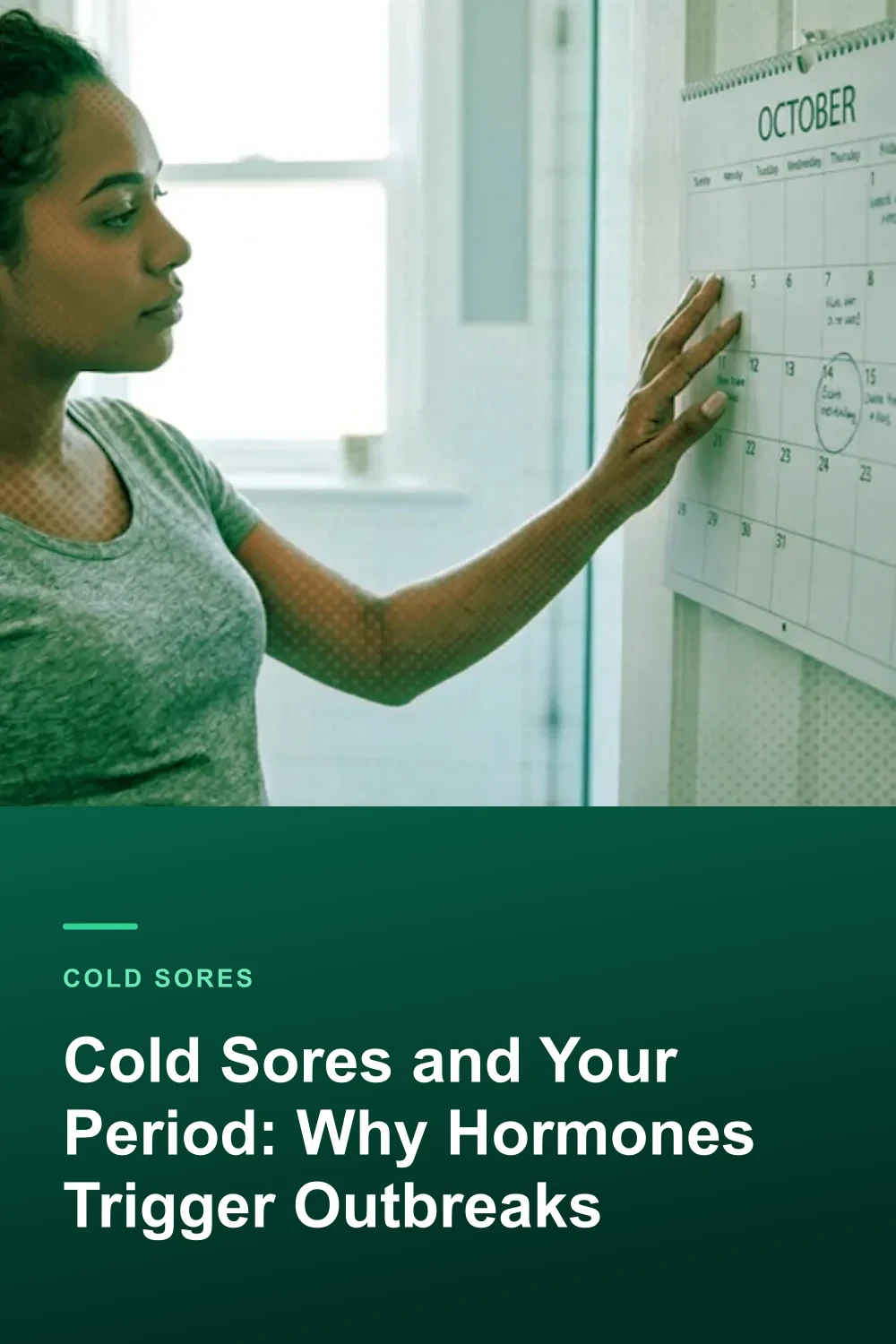
If you seem to get a cold sore almost every time your period arrives, you are not imagining it.
Many women with HSV-1 notice their outbreaks follow a predictable monthly pattern, appearing in the days just before or during menstruation.
It feels like your own body is working against you on a schedule.
This is not a coincidence.
The hormonal shifts that drive your menstrual cycle directly influence how well your immune system suppresses the herpes simplex virus.
When estrogen and progesterone drop sharply in the days before your period, in the late luteal phase, your body's ability to keep HSV-1 dormant weakens and the virus seizes the opportunity to reactivate.
Understanding exactly why this happens is the first step toward breaking the cycle.
With the right dietary strategies, supplements, and lifestyle adjustments timed to your cycle, you can significantly reduce how often menstruation triggers an outbreak.
Simplix Viral Defense
Cold Sore & HSV Support

Simplix Viral Defense
Cold Sore & HSV Support
Synergistic formula combining L-Lysine, shiitake mushroom, and marine bioactives for comprehensive immune support.
SHOP NOW & SAVE 15%Why Hormonal Drops Before Your Period Trigger Cold Sores
HSV-1 lives permanently in the trigeminal nerve ganglia, a cluster of nerve cells near the base of your skull.
Most of the time, your immune system holds the virus in a dormant, latent state.
The key players in this suppression are CD8+ T cells, specialized immune cells that patrol the nerve ganglia and prevent viral reactivation.
Estrogen and progesterone both influence how well these immune cells function.
During the late luteal phase (roughly days 21–28 of a typical 28-day cycle), both hormones fall steeply in the absence of pregnancy.
This hormonal withdrawal has measurable immunosuppressive effects: natural killer cell activity decreases, pro-inflammatory cytokines shift, and the vigilance of HSV-specific T cells at the site of latency declines.
The result is a window of reduced immune control during which HSV-1 can slip out of latency, travel down the nerve to the lip, and trigger an outbreak.
Research on estrogen and herpes outbreaks confirms that hormonal fluctuations, not just emotional stress or sun exposure, are a legitimate and consistent reactivation trigger for many women.
Cortisol compounds the problem.
The premenstrual phase is already a higher-stress period for many women, and elevated cortisol further suppresses immune surveillance.
The combination of falling sex hormones and rising stress hormones creates a narrow but recurring vulnerability that HSV-1 exploits reliably every month.
Dietary Strategies Timed to Your Luteal Phase
What you eat in the 7–10 days before your period can shift the biochemical environment in favor of keeping HSV-1 dormant.
The key lever is the lysine-to-arginine ratio.
Lysine competes with arginine for uptake into cells; HSV-1 requires arginine to replicate its viral coat, while lysine blocks this process.
Pushing the ratio toward lysine in the days before your period creates a less hospitable environment for the virus to reactivate. Foods to prioritize during the luteal phase:
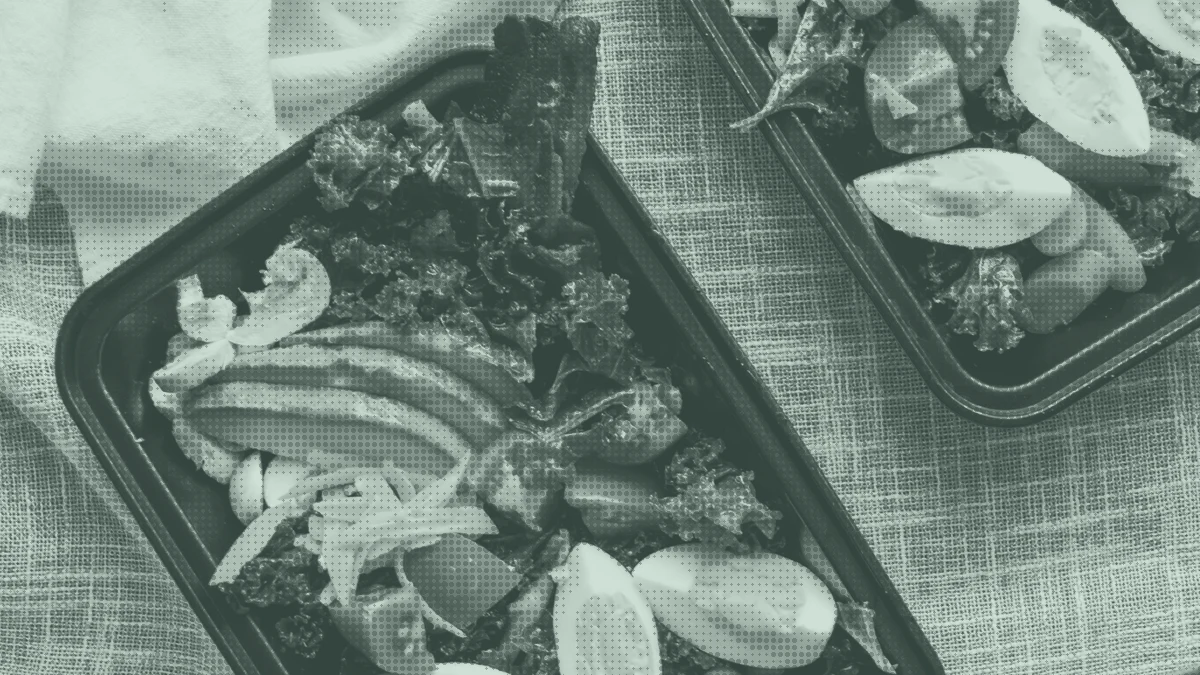
- High-lysine proteins: plain yogurt, cottage cheese, ricotta, chicken, turkey, fish (especially cod and sardines), and eggs all deliver strong lysine with minimal arginine.
- Legumes: lentils and chickpeas offer lysine and also provide magnesium, which supports mood and sleep — both relevant in the premenstrual window.
- Leafy greens: spinach, kale, and broccoli supply vitamin C and zinc, both of which support the immune cell function that keeps HSV-1 in check.
- Nuts and seeds: almonds, walnuts, peanuts, sunflower seeds, and sesame seeds are very high in arginine.
Even a handful daily can tip the ratio the wrong way when your immune defenses are already lowered.
- Chocolate: cocoa is one of the highest arginine foods per gram.
Dark chocolate in particular is worth avoiding in the week before your period if you are outbreak-prone.
- Oats and whole grains: moderate arginine content — not as problematic as nuts, but worth watching if you are highly sensitive.
Timing them to the 10 days before your expected period is usually sufficient to reduce your outbreak risk without permanently restricting foods you enjoy.

L-Lysine Supplements, Sleep, and Stress Management
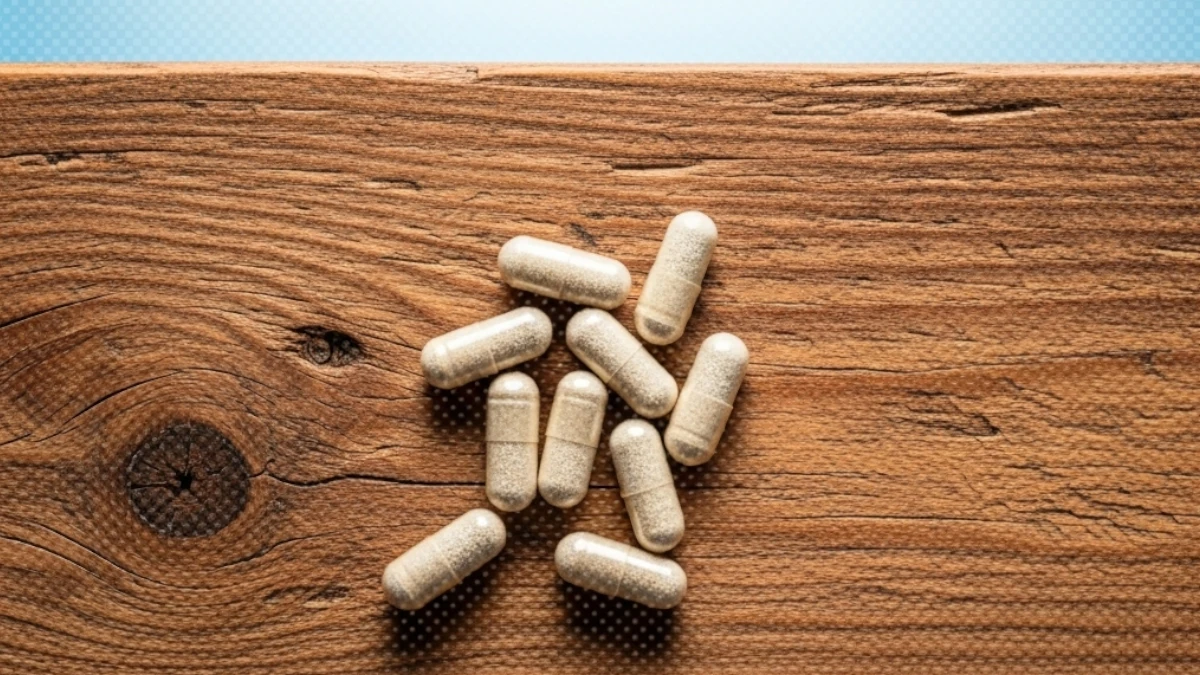
Diet alone is sometimes not enough to close the immunity gap before menstruation, particularly for women who experience frequent or severe outbreaks. L-lysine supplementation during the luteal phase is one of the most practical and well-supported natural strategies for reducing outbreak frequency.
A dosage of 1,000–1,500 mg of L-lysine daily taken from roughly day 14 of your cycle through the first day of your period gives your body an extra buffer of lysine during the highest-risk window.
Some women take a slightly higher dose (up to 3,000 mg/day in divided doses) at the first sign of a tingling prodrome to try to abort an outbreak before it fully develops, though evidence is stronger for prevention than acute treatment.
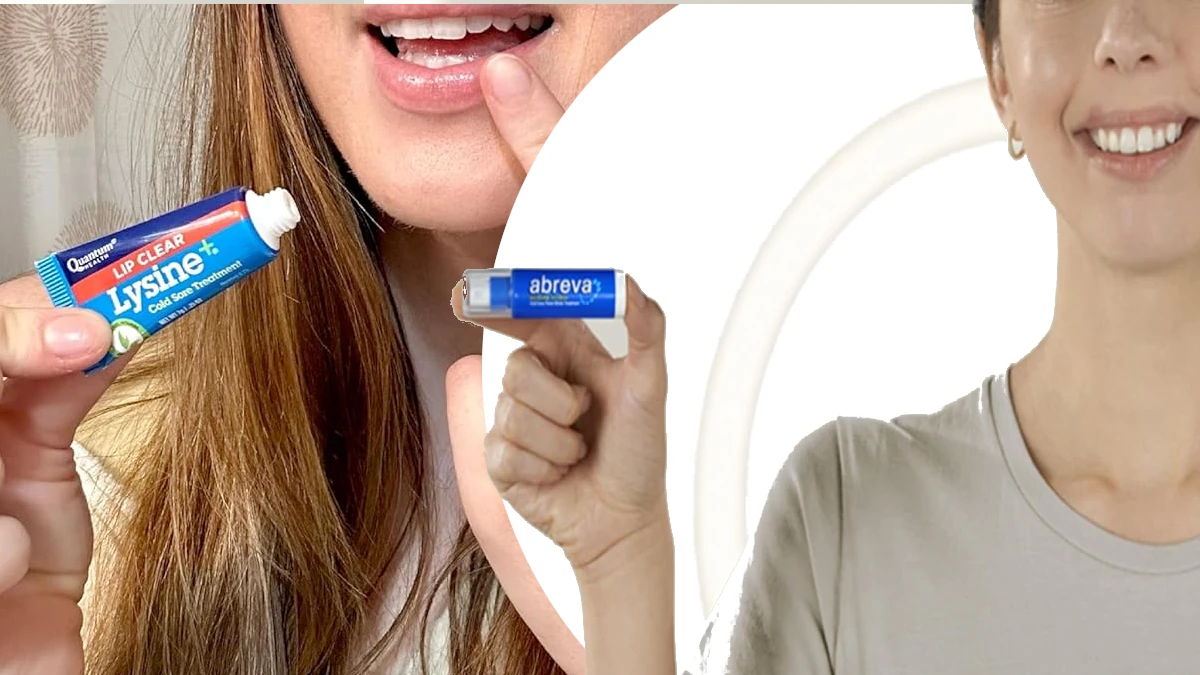
NOW Supplements L-Lysine is a straightforward, affordable option with a clean ingredient list that works well for cycle-timed supplementation: Sleep is another underrated factor.
Deep sleep is when the immune system performs its most intensive maintenance, including recharging the CD8+ T cells that patrol the trigeminal ganglia.
Women who sleep fewer than 7 hours in the premenstrual week consistently report higher outbreak rates.
Protecting sleep in this window, even at the cost of skipping late nights, is a meaningful preventive step. Stress management matters specifically in the luteal phase because cortisol levels are already elevated for many women at this time.
Even moderate additional stress (a deadline, a poor night of sleep, a social conflict) can push cortisol high enough to further suppress viral surveillance.
Practices that blunt the cortisol response, such as brief daily walks, breathwork, or reducing caffeine after noon, are worth prioritizing in the 10 days before your period.
Sun exposure to the lips is a separate, additive trigger.
If you are already in the premenstrual risk window, even a few hours outdoors without SPF lip balm can be enough to initiate reactivation.
Wearing an SPF 30+ lip balm outdoors during the luteal phase addresses this without requiring lifestyle changes.
When to Talk to a Doctor About Suppressive Antiviral Therapy
Dietary and lifestyle strategies help many women reduce outbreak frequency, but they do not work for everyone, and they address probability rather than certainty.
If you are experiencing cold sores almost every menstrual cycle despite dietary changes and L-lysine supplementation, it is worth discussing daily suppressive antiviral therapy with your doctor.
Antivirals such as acyclovir (400 mg twice daily) or valacyclovir (500 mg once daily) taken continuously have been shown in clinical trials to reduce HSV-1 outbreak frequency by 70–80% in people with frequent recurrences.
For women whose outbreaks are tightly linked to their cycle, some clinicians prescribe a short episodic course taken only during the luteal phase, rather than year-round suppression.
This can achieve similar protection with less medication.
This approach is especially worth considering if your outbreaks are:
- Occurring more than 6 times per year
- Severe, slow to heal, or affecting your quality of life
- Affecting your relationship or intimacy due to transmission concerns
- Not responding meaningfully to dietary and supplement strategies
Some women find that certain formulations worsen their outbreak pattern, as explored in our article on birth control and cold sores.
Adjusting the type or delivery method of contraception is occasionally enough to reduce outbreak frequency on its own.
Suppressive antivirals are safe for long-term use and are routinely prescribed.
If monthly cold sores are affecting your life, you do not have to simply manage them.
There are effective medical options available.
Cold Sores and Menstrual Cycle: Frequently Asked Questions
Why do I always get cold sores before or during my period?
The hormonal drop in the late luteal phase is the most likely cause. Estrogen and progesterone both fall sharply in the week before your period, temporarily reducing the immune system's ability to suppress HSV-1 in the nerve ganglia. This recurring immunity gap gives the virus a predictable window to reactivate every cycle.
Can birth control pills help prevent period-related cold sores?
It depends on the formulation. Combined hormonal contraceptives stabilize estrogen and progesterone levels, eliminating the sharp premenstrual drop that triggers outbreaks for some women. However, estrogen in contraceptives can also directly promote HSV reactivation through neuronal receptor pathways, so the outcome varies by individual and pill type. Some women report fewer outbreaks on the pill; others notice more. Discuss the pattern with your doctor if you suspect a connection.
How much L-lysine should I take before my period?
1,000–1,500 mg daily during the luteal phase (roughly the 10 days before your expected period) is a commonly used preventive dose. If you feel the early tingling of an oncoming cold sore, some people take up to 3,000 mg per day in divided doses to try to abort the outbreak, though evidence for this is less robust than for prevention. Always check with your healthcare provider if you have kidney issues, as high-dose lysine is not recommended in that case.
What foods should I avoid before my period to prevent cold sores?
Focus on reducing high-arginine foods in the 7–10 days before your period. The main ones to watch are nuts (especially almonds, peanuts, and walnuts), chocolate, seeds (sunflower and sesame), and oats. These foods are otherwise healthy — the restriction is specifically timed to your high-risk window, not a permanent dietary change.
Can stress during PMS make period cold sores worse?
Yes, significantly. Premenstrual stress raises cortisol, which directly suppresses the immune cells that keep HSV-1 dormant. The combination of falling sex hormones and elevated cortisol in the same week creates a compounding effect. Managing stress specifically in the premenstrual window — through sleep, reduced caffeine, and brief daily movement — is a meaningful part of outbreak prevention, not just general wellness advice.
Is it normal to get cold sores every single month?
It is common but not something you have to accept as inevitable. Monthly cycle-linked outbreaks are a recognized pattern, but they are also one of the best-documented use cases for daily suppressive antiviral therapy. If dietary changes, L-lysine, and lifestyle adjustments have not reduced your frequency after two to three months, talk to a doctor about episodic or continuous suppressive antivirals — they are highly effective for this specific trigger pattern.
Image: Simplix Viral Defense
Simplix Viral Defense
Why we love it:
- Specifically formulated to reduce cold sore outbreaks
- Contains L-Lysine, Red Marine Algae, and Lemon Balm
- Supports immune system during viral challenges
- Helps manage stress-triggered outbreaks