About Salt
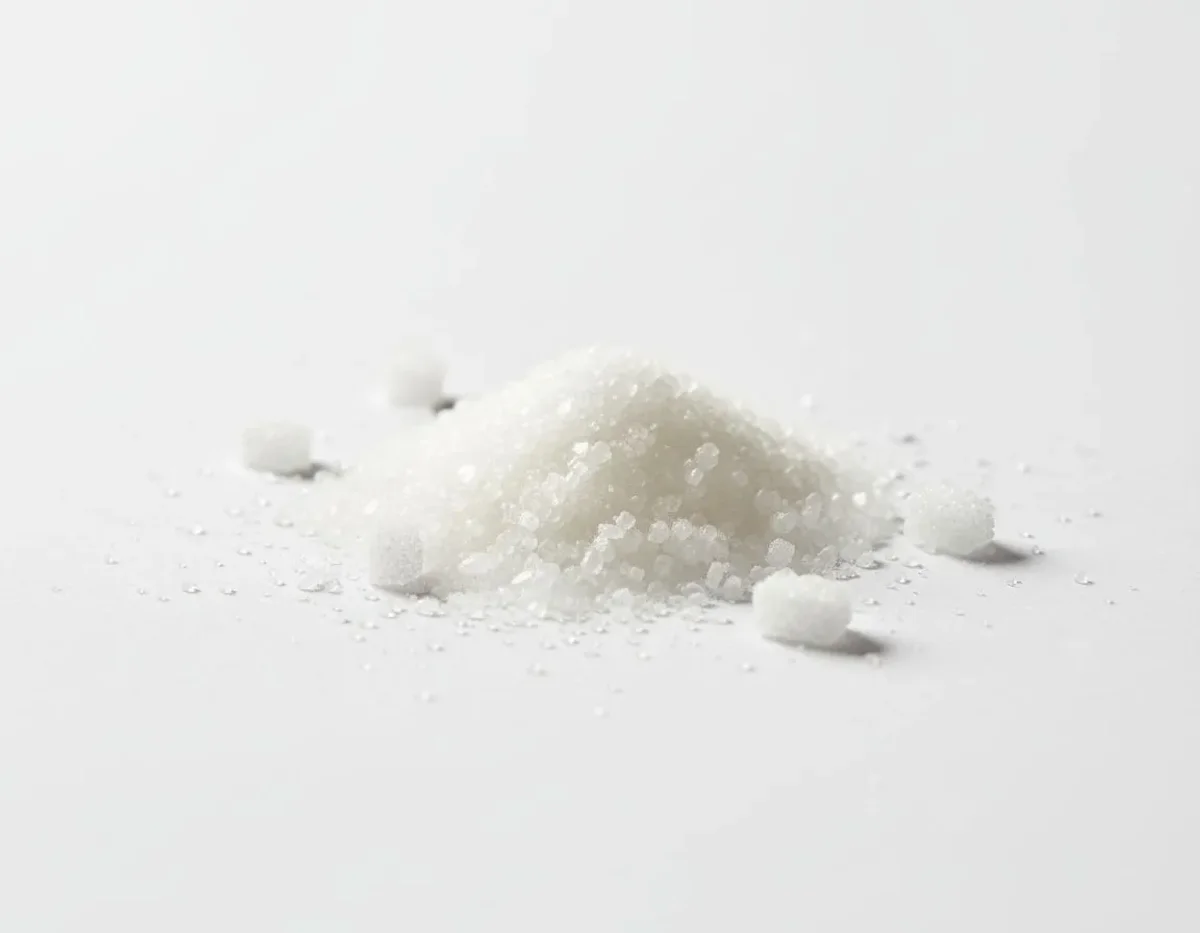
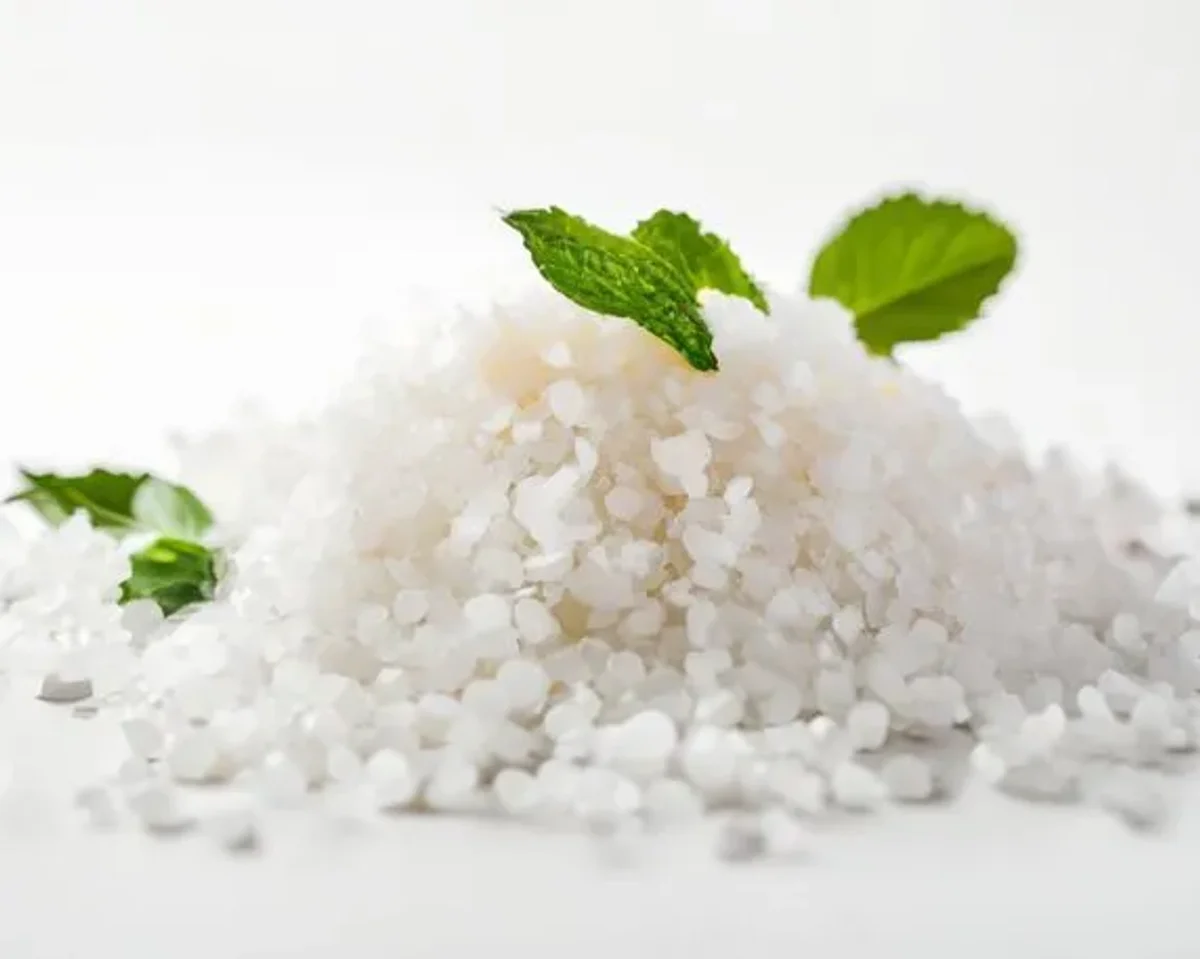
Table salt, primarily composed of sodium chloride, is a mineral commonly used as condiment.
Table salt serves as a seasoning in food, cooking, cosmetics, and for preserving food.
Lysine Considerations
Lysine is an important amino acid that the human system needs to make proteins and support your immune system.
Lysine can help prevent or treat cold sores, which are blisters caused by the virus HSV-1, also known as herpes.
Lysine works by blocking the growth of HSV-1, which needs another amino acid called arginine to multiply and infect cells. Lysine can only be obtained through diet, and can be found in different abundant in protein foods like milk and cheese, fish, eggs, meat, and poultry.
Salt not contain any lysine, which is an essential amino acid that the body cannot produce. Lysine is important for protein synthesis, collagen formation, and immune function, but it is only found in protein-rich foods. Because salt does not contain, it is not a source of lysine.
Arginine Considerations
Arginine, an essential amino acid, is needed by the human body to make proteins and support various physiological functions.
Arginine can contribute to cold sore outbreaks, which are blisters caused by the HSV-1 virus, also known as herpes.
Arginine aids in the growth of HSV-1, which needs this particular amino acid to multiply and infect cells. Arginine can be obtained through our diet and is found in multiple high-protein foods such as nuts, seeds, and chocolate.
Regrettably, the herpes virus is known to "feed" on arginine, and a diet a good source of arginine compared to lysine may increase the frequency and severity of cold sores and herpes outbreaks.
Salt does not contain any arginine, which is a semi-essential amino acid that the body can produce in limited amounts. Arginine is important for nitric oxide production, blood vessel dilation, and wound healing.
Lysine-Arginine Ratio Analysis
Understanding the lysine-arginine ratio means understanding why some otherwise healthy foods can still be problematic for HSV management. A food can be nutritious, low in calories, and full of vitamins — yet if its arginine content substantially outweighs its lysine content, regular consumption may tip your internal amino acid balance in favour of the virus.
The ratio shown on this page is calculated from USDA nutritional data per 100g of food. A ratio above 1.5 is generally considered favourable for herpes management; between 0.75 and 1.5 is neutral territory where overall diet context matters more; below 0.75 means the food has noticeably more arginine than lysine, and portion size becomes an important consideration. Use this as one data point among many, and pair it with the density score to get a complete picture.
Because Salt contains much higher levels of arginine than lysine, limiting its consumption is recommended by people who suffer from herpes, as it may trigger outbreaks.
Neither lysine nor arginine is present in table salt. This means adding salt to your food won't affect the lysine/arginine ratio in your diet. You may still want to limit your consumption of salt in order to reduce your sodium intake.
Nutrient Density & Portion Control
Nutrient density is a measure of how rich a food is in amino acids relative to portion size. We calculate it as (Lysine + Arginine) / 100, which gives you a quick sense of how much total amino acid content is packed into each 100g serving.
Salt has a low nutrient density (0), which means it contains relatively lower amounts of these amino acids. You can safely enjoy larger portions of this food without worrying as much about amino acid balance, making it a flexible option in your herpes management diet.
💡 Tip: Use the density metric to quickly gauge portion control. High-density foods are nutrient-dense and should be enjoyed mindfully, while low-density foods give you more flexibility in serving sizes.
Dietary Considerations for Herpes Management
Practical Recommendations
The lysine-arginine ratio is a powerful tool, but diet management for herpes works best as a complete strategy. Here are additional dietary habits that experienced herpes-management practitioners consistently recommend:
Prioritising anti-inflammatory whole foods — leafy greens, colourful vegetables, legumes, and omega-3-rich fish — gives your immune system the micronutrients it needs to keep HSV dormant. Chronic low-grade inflammation is a known trigger for viral reactivation, so reducing dietary sources of inflammation is a direct outbreak-prevention strategy.
Make sure to drink plenty of water to keep yourself hydrated and eliminate toxins from your body. Water can also help you avoid dryness and irritation of the skin and mucous membranes, which can lead to outbreaks.
You may want to take l-lysine supplements. L-lysine is known to prevent herpes outbreaks and it can help stop a cold sore in its initial stages by "starving" the virus of arginine before it has a chance to cause a cold sore.
Several micronutrients have direct antiviral or immune-supportive properties: zinc has been shown to inhibit HSV replication in vitro; vitamin D deficiency is associated with more frequent outbreaks; and vitamin C supports white blood cell function. A targeted supplement stack alongside a lysine-rich diet gives your immune system multiple lines of defence.
Your immune system can be weakened and inflammation can be increased by foods that can cause allergic reactions or sensitivities, such as gluten, dairy, nuts, eggs, or shellfish. Avoid these foods to prevent outbreaks.
Try eating foods that can enhance your immune system and reduce inflammation to avoid outbreaks. Some of these foods are honey, plain yogurt, aloe vera, and chamomile tea. They can also help you with your symptoms by easing pain, swelling, and itching, and accelerating your recovery.
Is Salt Safe for Shingles?
Caution advised: Salt is arginine-dominant. With a lysine-to-arginine ratio of 1.00, this food contains more arginine than lysine.
Arginine can fuel VZV replication by competing with lysine for absorption. Arginine-rich foods can potentially trigger VZV reactivation in susceptible individuals. This doesn't mean avoiding Salt entirely—it means being intentional about portions and pairings.
Strategy: If you enjoy Salt, consume it in smaller portions and always pair it with lysine-rich foods. For example, combine nuts with cheese, or legumes with chicken. This approach keeps your overall amino acid balance tilted toward lysine.
⚠ Requires Caution: This food is high in arginine. Monitor your intake and pair with lysine sources to maintain dietary balance.
Medical Disclaimer: This information is for educational purposes only and should not replace professional medical advice. Always consult a healthcare provider before making significant dietary changes, especially if you have active shingles or a history of herpes infections.
Is Salt good or bad for herpes?
With a ratio of 0.00, Salt is arginine-dominant. People managing herpes should be mindful of portion sizes. The lysine-to-arginine ratio is the key metric: foods above 1.0 generally support herpes management, while foods below 1.0 require more careful portioning. Salt fits into the cautious category.
Is Salt high in arginine?
Salt is relatively low in arginine at 0.00mg per 100g. This level is manageable for most people when consumed as part of a balanced, lysine-rich diet.
How much lysine does Salt contain?
Its lysine content of 0.00mg per 100g is low, so it contributes little lysine to counterbalance arginine from other foods. Because its arginine content exceeds its lysine content, you may want to pair Salt with higher-lysine foods to maintain a favourable overall balance.
Can I eat Salt if I have herpes?
Salt has a ratio of 0.00, meaning arginine is more abundant than lysine. You can still include it in your diet, but be mindful of portion size — especially during periods of stress or if you feel a prodrome coming on. Always consult your healthcare provider for personalised advice.
What is the lysine-arginine ratio of Salt?
The lysine-arginine ratio of Salt is 0.00, calculated from 0.00mg lysine and 0.00mg arginine per 100g serving. A ratio below 1 means arginine is more abundant, which requires more careful intake management.
Does Salt trigger cold sores?
Salt could potentially contribute to cold sore triggers if eaten in large quantities, due to its arginine-dominant profile (ratio: 0.00). That said, cold sore triggers are cumulative — a single food rarely causes an outbreak. The overall diet pattern, stress levels, sun exposure, and immune status all play a role. If you notice a personal correlation between eating Salt and outbreaks, consider reducing your serving size.

Image: Bravado Labs Advanced Lysine Immune Boost
Bravado Labs Advanced Lysine Immune Boost
Why we love it:
- Verified Customer Favorite
- High Quality Ingredients
As an affiliate, we earn from qualifying purchases.
Recommended Supplements for Herpes Management
Simplix Viral Defense
Cold Sore & HSV Support

Simplix Viral Defense
Cold Sore & HSV Support
Synergistic formula combining L-Lysine, shiitake mushroom, and marine bioactives for comprehensive immune support.
SHOP NOW & SAVE 15%