Sweating, heat, and skin friction are physical stressors that many people with herpes report as outbreak triggers — but the relationship is more nuanced than it first appears.
Sweat itself is not an antiviral agent, nor does it directly reactivate the herpes simplex virus. But the conditions that cause heavy sweating — intense heat, prolonged exercise, skin friction from tight clothing — each interact with HSV in their own distinct ways. Understanding the difference between sweat as a symptom and heat or friction as the real driver can help you manage outbreaks more precisely.
This article examines the biology behind each trigger, who is most at risk, and what practical steps you can take to reduce sweat- and heat-related herpes flare-ups. For a broader overview, see our full guide on why herpes flares up.
Simplix Viral Defense
Cold Sore & HSV Support

Simplix Viral Defense
Cold Sore & HSV Support
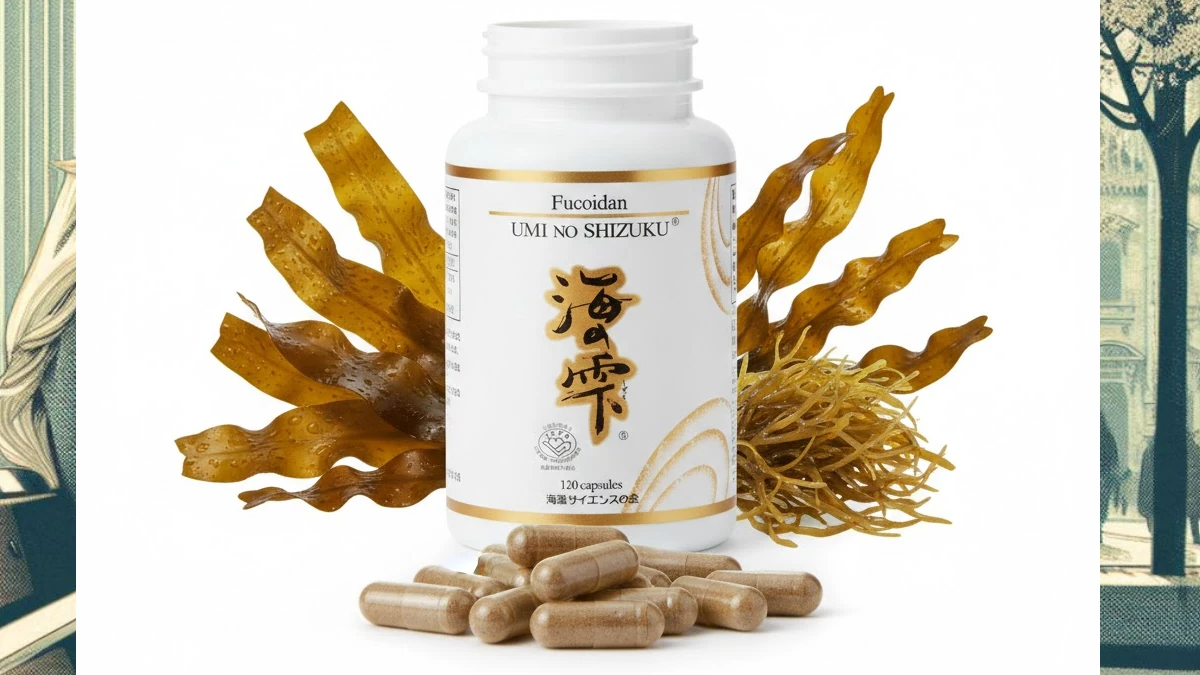
Synergistic formula combining L-Lysine, shiitake mushroom, and marine bioactives for comprehensive immune support.
SHOP NOW & SAVE 15%Does Sweat Directly Trigger Herpes Outbreaks?
Sweat itself — as a fluid — does not contain the herpes virus, does not activate HSV from its latent state in nerve ganglia, and is not a route of transmission. HSV reactivation is triggered neurologically, not topically. The virus travels down sensory nerve fibres from the dorsal root ganglia to the skin surface when immune suppression or neural stress signals occur.
How Sweat Affects the Skin Environment
While sweat doesn't directly reactivate HSV, it changes the skin's surface environment in ways that can make an already-reactivating outbreak worse or more noticeable:- pH shift: Sweat is mildly acidic (pH 4.5-6.5), which can irritate skin already sensitised by prodromal nerve signals
- Salt content: Sweat contains sodium chloride, which can sting and delay healing on open lesions
- Moisture trapping: In skin folds and covered areas, sweat creates a warm, moist microenvironment that can slow lesion drying and healing
- Secondary infection risk: Prolonged moisture softens skin, potentially making active lesions more susceptible to secondary bacterial infection
The Conclusion on Sweat Alone
Sweat is a bystander, not a trigger. If you notice outbreaks after sweating, the real culprits are likely the heat that caused the sweating, the physical friction during exercise, the immune stress of intense physical exertion, or the sunlight exposure if sweating outdoors — not the sweat itself.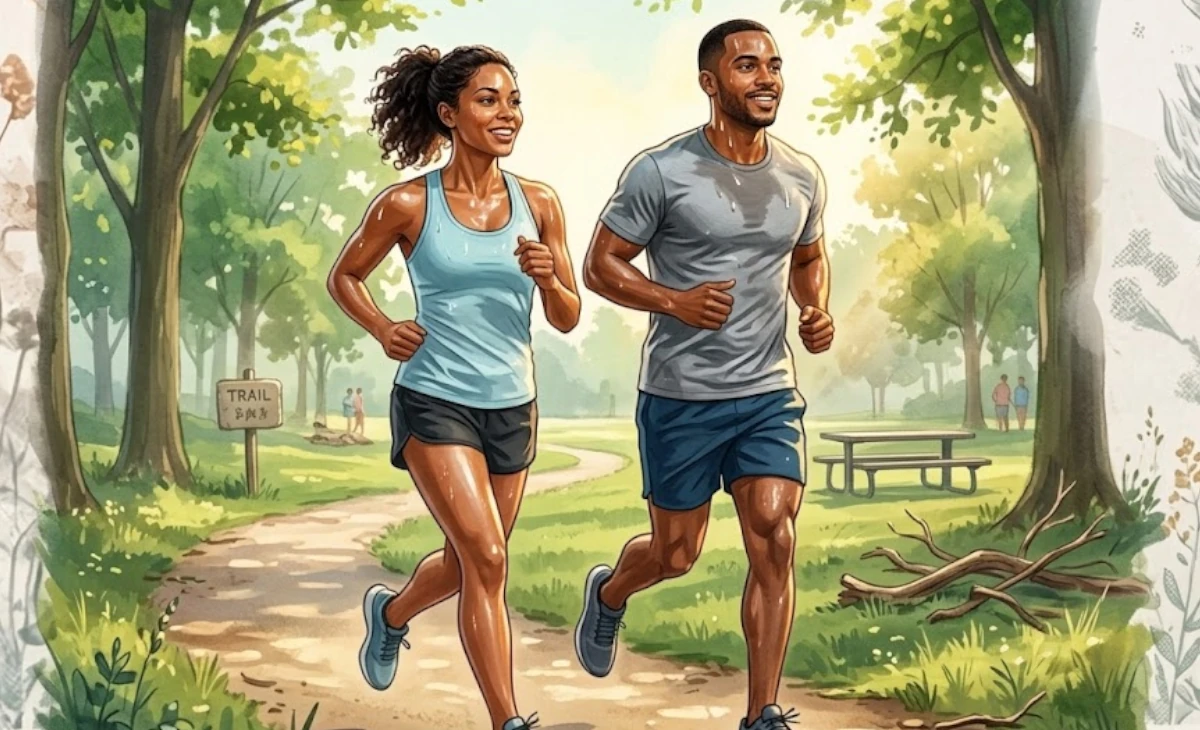
Heat as a Herpes Trigger: The Real Mechanism
Heat is a more credible herpes trigger than sweat, and the evidence goes beyond anecdote. The herpes simplex virus has evolved to exploit thermal signals as cues for reactivation. This is a fascinating and troubling aspect of HSV biology.
Fever-Induced Reactivation: Why "Fever Blisters" Are Named That Way
HSV-1 cold sores are colloquially called "fever blisters" for good reason. When the body's core temperature rises — whether from illness, intense exercise, or environmental heat — it stresses the immune system and may send neural signals that HSV interprets as an opportunity to reactivate. Studies have shown that fever above 38°C (100.4°F) is one of the most reliable herpes reactivation triggers, with outbreaks often appearing 2-4 days after peak fever.External Heat vs. Internal Heat
There are two distinct heat scenarios:- External localised heat — e.g., sunlight on lips, a hot compress, sauna exposure — can directly warm the skin over herpes-prone nerve pathways, potentially stimulating local reactivation. This is why UV exposure and unusual triggers like saunas are known outbreak risks.
- Internal systemic heat — fever or core temperature elevation from intense exercise — stresses the immune system globally, reducing the CD8+ T-cell surveillance that keeps HSV latent in nerve ganglia.
Exercising in the Heat
Hot weather workouts combine both mechanisms: rising core temperature, sun exposure, immune stress, physical friction, and post-workout fatigue. This cluster makes hot-weather exercise one of the more potent compound triggers for herpes outbreaks. If you exercise outdoors in summer and notice seasonal outbreak patterns, heat and UV are likely the primary drivers. Read more about herpes and exercise for workout-specific guidance.Friction as a Herpes Trigger: Mechanical Reactivation
Skin friction is one of the most well-documented and mechanically straightforward herpes triggers — and it's particularly relevant to genital herpes (HSV-2).
How Friction Reactivates HSV
Physical friction creates micro-abrasions in skin and mucosal tissue. These tiny injuries trigger local inflammatory responses — the skin releases cytokines and activates immune cells to repair the damage. This localised inflammation near herpes-prone nerve endings appears to create signals that reactivate latent HSV in the nearby ganglia. The virus then travels down the same nerves to emerge at the inflamed skin site.Types of Friction That Commonly Trigger Outbreaks
- Sexual activity: The most commonly reported friction trigger, particularly for genital herpes. Both the physical friction and the immune demands of sexual activity contribute.
- Tight clothing: Synthetic fabrics that rub repeatedly against genital skin — especially during exercise — can produce enough mechanical irritation to reactivate HSV-2. This is particularly common in cyclists, runners, and people who wear tight athletic wear for extended periods.
- Razoring and hair removal: Shaving the genital or lip area creates small skin abrasions. Many people with HSV-2 or oral HSV-1 report outbreaks within 1-3 days of shaving affected zones.
- Sports and equipment: Chafing from sports bras, compression shorts, boxing gloves on lips, and wrestling contact — all mechanical friction scenarios linked to herpes reactivation.
The Sweat-Friction Combination
Sweat becomes genuinely relevant when combined with friction. Damp skin chafes more severely than dry skin, creating deeper micro-abrasions. Sweaty, tight athletic clothing is a particularly effective combination trigger: the moisture increases friction damage, the heat raises local skin temperature, and the sustained contact irritates nerve-dense areas. This compound effect explains why athletes training in hot weather may notice outbreak clusters.Who is Most at Risk From Heat and Friction Triggers?
Not everyone with herpes is equally susceptible to heat and friction triggers. Several factors increase vulnerability:
Athletes and Active Individuals
Endurance athletes — especially runners, cyclists, and martial artists — experience repeated heat, sweat, and friction exposure. Contact sport athletes face the additional risk of skin-to-skin transmission in training environments. Herpes gladiatorum, a skin form of HSV-1 among wrestlers, is partly friction-driven.People in Hot Climates or Working Outdoors
Sustained heat exposure from the environment — rather than exercise — is equally relevant. Workers in hot outdoor environments, people in tropical climates, and those who experience prolonged sun exposure on face or lips report higher rates of seasonal HSV-1 cold sore recurrence during summer months.Those with HSV-2 in the Anogenital Region
The anogenital area is naturally more prone to sweat accumulation, friction from clothing, and heat trapping. HSV-2 outbreaks triggered by friction and heat are more common in people who are physically active, carry extra weight, or wear tight synthetic clothing regularly.Immunocompromised Individuals
People with compromised immune systems — from illness, stress, poor sleep, or certain medications — have less capacity to suppress HSV reactivation when additional physical triggers (heat, friction) are applied. The threshold for reactivation is lower, meaning smaller triggers produce outbreaks. See our overview of cold sore triggers for a complete list.Practical Strategies to Reduce Sweat, Heat & Friction Outbreaks
Understanding the mechanisms points directly to the interventions:
For Heat-Related Outbreaks
- Time outdoor exercise for cooler parts of the day — morning or evening workouts during summer reduce core temperature stress
- Use SPF lip balm religiously — for oral HSV-1, UV + heat is the dominant outdoor trigger combination
- Stay hydrated — dehydration amplifies heat stress on the immune system
- Post-workout cooling: Cool showers after exercise reduce core temperature quickly, shortening the window of immune stress
- Avoid saunas during prodrome: If you feel tingling that suggests an outbreak is forming, avoid heat exposure (sauna, hot baths, sun) which can accelerate full lesion development
For Friction-Related Outbreaks
- Switch to moisture-wicking, loose-fitting athletic wear for workouts — natural fibres (cotton, bamboo) reduce friction heat compared to tight synthetics
- Use anti-chafe products in prone areas — Body Glide, petroleum jelly, or zinc-based creams in areas vulnerable to rubbing
- Post-shave care: After shaving herpes-prone areas, apply a gentle, fragrance-free moisturiser to soothe micro-abrasions
- Rest days after intense physical activity — allowing the immune system to recover reduces the reactivation window
Nutritional and Supplement Support
During periods of high physical activity and heat exposure, the body's nutritional needs increase. Zinc, vitamin C, and lysine supplementation may help support immune function during these high-stress periods. Our guide to natural antivirals and natural alternatives to valacyclovir cover the evidence-based supplement options in detail.Suppressive Antiviral Therapy for Active People
If heat and exercise triggers consistently produce outbreaks despite lifestyle measures, daily suppressive antiviral therapy (low-dose valacyclovir or acyclovir) is the most effective pharmaceutical intervention. It reduces outbreak frequency by 70-80%, including those triggered by physical stressors. Discuss this option with your doctor if trigger management alone is insufficient.Sweat and Herpes Transmission: Can You Spread Herpes Through Sweat?
A related but distinct question: can herpes be transmitted through sweat from an infected person to someone else?
The Short Answer: No
HSV-1 and HSV-2 are not present in sweat in meaningful quantities. The virus does not travel through eccrine sweat glands onto the skin surface via sweat. Transmission requires direct contact with active lesions, mucosal surfaces, or areas undergoing asymptomatic viral shedding — not sweat.The Nuance: Skin Contact During Sweating
While sweat itself is not infectious, the skin contact that occurs during sweaty physical activities — sports, sex, shared towels — can transmit the virus via the direct skin-to-skin route. The sweat is incidental; the skin contact is the transmission vehicle. This is why contact sports carry transmission risk (skin contact) but lap swimming does not (water, not skin contact). See our article on herpes and water transmission for details.Sweating, Heat & Herpes FAQs
Can sweating trigger a herpes outbreak?
Sweat itself doesn't directly trigger outbreaks — the real triggers are often the heat that causes the sweating, the physical friction during exercise, or the immune stress of intense exertion. Managing these underlying factors is more effective than trying to prevent sweating.
Does heat cause cold sore flare-ups?
Yes. Both external heat (sun, saunas) and internal heat (fever, exercise-induced temperature rise) are well-documented HSV-1 and HSV-2 triggers. HSV appears to use thermal signals as cues for reactivation, which is why cold sores are also called "fever blisters."
Can tight clothing trigger herpes outbreaks?
Yes. Tight synthetic fabrics that cause repeated friction against herpes-prone skin — particularly the genital area for HSV-2 — can create enough mechanical irritation to trigger reactivation. Switching to loose, moisture-wicking clothing during workouts can meaningfully reduce this trigger.
Can you spread herpes through sweat?
No. HSV is not present in sweat and cannot be transmitted via perspiration alone. Transmission requires direct skin-to-skin contact with active lesions or areas of asymptomatic viral shedding — not sweat itself.
Why do I get more cold sores in summer?
Summer combines multiple herpes triggers: UV radiation from sunlight, higher external temperatures, heat-induced fever-like states during hot days, and increased outdoor activity. The combination of UV exposure and heat is particularly potent for oral HSV-1 reactivation. Using SPF 30+ lip balm daily during summer is the single most effective prevention measure for outdoor-triggered cold sores.
Does shaving trigger herpes outbreaks?
Shaving can trigger outbreaks in herpes-prone areas by creating micro-abrasions that activate local inflammation — a mechanical signal for HSV reactivation. Gentle shaving technique, sharp blades, and post-shave moisturisation can reduce this risk.
Does exercise make herpes worse?
Moderate exercise generally supports immune function and can reduce outbreak frequency by lowering stress hormones. Intense or prolonged exercise — especially in heat — temporarily stresses the immune system and may trigger outbreaks. Balanced training with adequate recovery is the key. Read our full guide on herpes and exercise for detailed recommendations.
Image: Simplix Viral Defense
Simplix Viral Defense
Why we love it:
- Specifically formulated to reduce cold sore outbreaks
- Contains L-Lysine, Red Marine Algae, and Lemon Balm
- Supports immune system during viral challenges
- Helps manage stress-triggered outbreaks