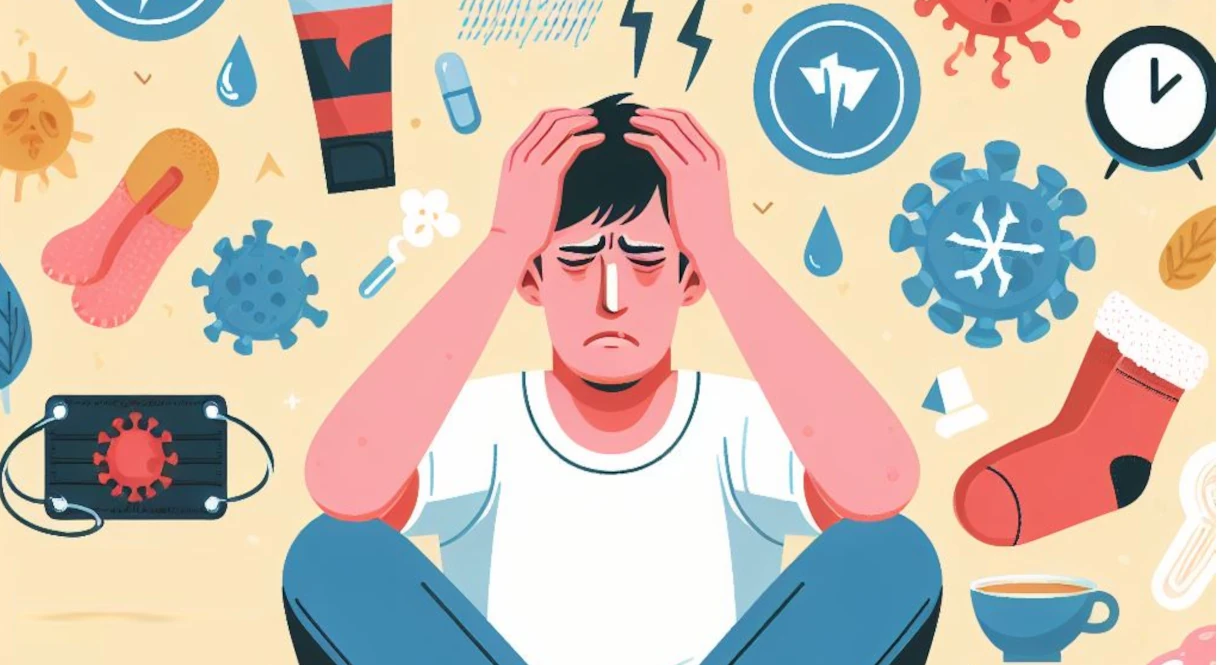
Cold sores are caused by the herpes simplex virus (HSV), which stays dormant in nerve tissue until something reactivates it. Diet gets a lot of attention, and the lysine-arginine balance does matter, but food is only one piece of the picture.
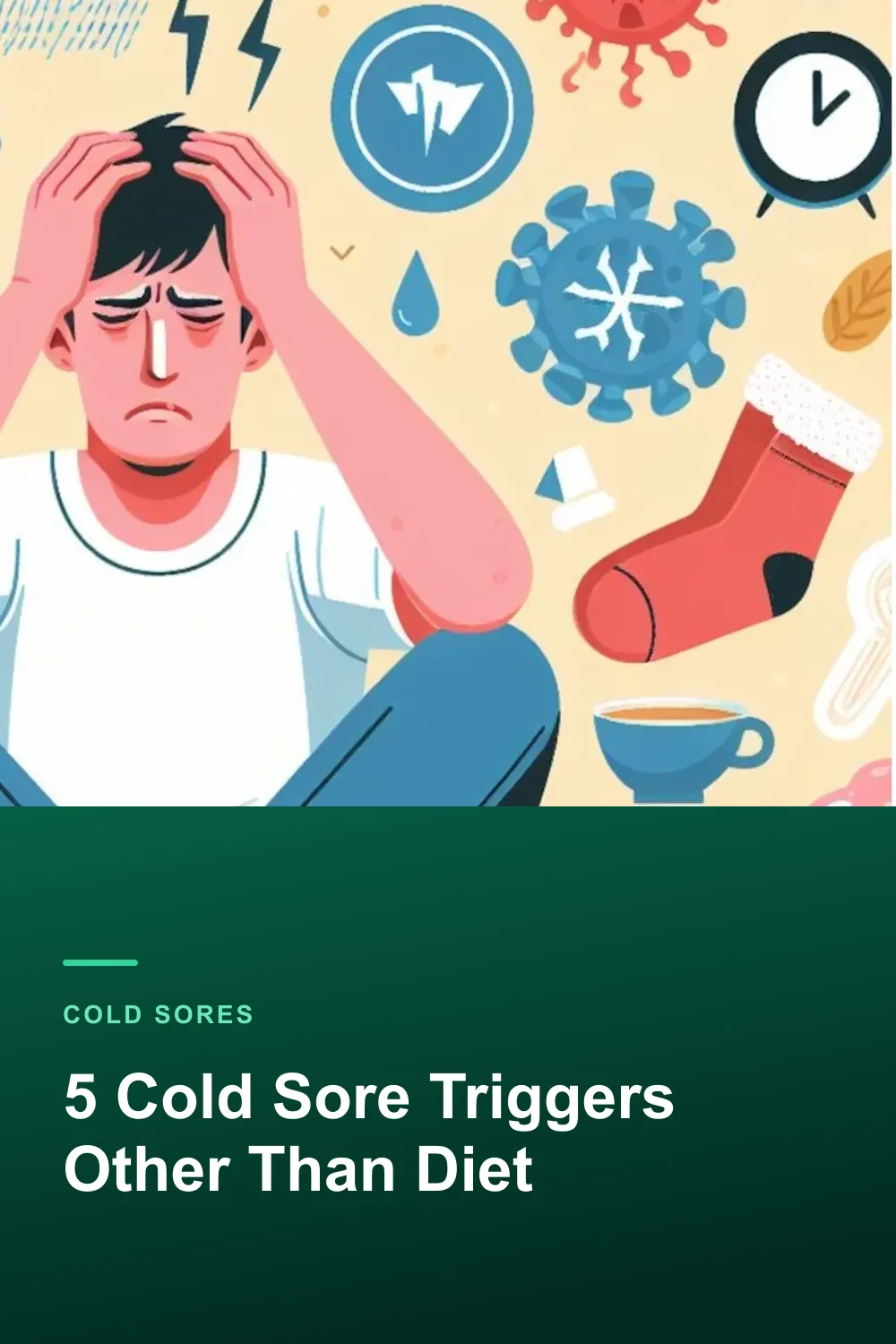
Several non-dietary triggers are well established. Understanding them gives you more ways to stay ahead of an outbreak before it starts. Below are the five most commonly reported ones.
Simplix Viral Defense
Cold Sore & HSV Support

Simplix Viral Defense
Cold Sore & HSV Support
Synergistic formula combining L-Lysine, shiitake mushroom, and marine bioactives for comprehensive immune support.
SHOP NOW & SAVE 15%5 Cold Sore Triggers Other Than Diet

1. Stress
Stress is one of the most consistently reported cold sore triggers. Both physical and emotional stress activate the hypothalamic-pituitary-adrenal axis, raising cortisol levels. Elevated cortisol suppresses certain immune responses, making it easier for HSV to reactivate.
Physical stress to the lips and mouth area, such as dental procedures, facial surgery, or a direct injury, can also trigger a local outbreak. This is why cold sores sometimes appear shortly after dental work.
Managing stress through regular sleep, exercise, and professional support where needed is one of the more effective long-term strategies for reducing outbreak frequency.
2. Illness
When your immune system is busy fighting a respiratory infection, HSV can take the opportunity to reactivate. This is why cold sores are sometimes called fever blisters, as they often appear alongside colds and flu.
Keeping your immune system in good shape through consistent sleep, a nutrient-rich diet, and staying up to date on vaccinations is a reasonable preventive approach. Vitamin D and zinc deficiency have been linked to more frequent viral infections and are worth checking if outbreaks are recurrent.

3. Hormonal Changes
Hormonal fluctuations, particularly those tied to the menstrual cycle, can trigger cold sore outbreaks. The exact mechanism is not fully understood, but shifts in estrogen and progesterone appear to influence immune surveillance in ways that allow HSV to reactivate.
Pregnancy, menopause, and hormonal contraceptives have also been reported as triggers in some individuals. If you notice a pattern tied to your cycle, tracking outbreaks alongside it may help you anticipate and prepare with preventive measures like a lysine supplement.
4. Fatigue
Poor sleep and physical exhaustion reduce immune function, making it easier for dormant HSV to reactivate. Consistently getting fewer than seven hours of sleep is associated with weaker immune responses across a range of pathogens.
Good sleep hygiene, including regular sleep and wake times, reducing screen exposure before bed, and keeping your bedroom cool and dark, has real downstream effects on how well your immune system keeps the virus suppressed. Aim for seven to nine hours per night.
5. Sun Exposure and Harsh Weather
UV radiation is a well-documented trigger for oral cold sores. Sun exposure can suppress local immune responses in the skin around the lips, making that area more vulnerable to HSV reactivation. Many people notice that a beach day or a ski trip reliably precedes an outbreak.
Using an SPF lip balm year-round, not just in summer, significantly reduces this risk. In cold weather, keeping lips moisturized prevents cracking, which creates small openings that can encourage outbreaks. A good emollient balm is worth using through winter months even when there is no sun to worry about.
Image: Simplix Viral Defense
Simplix Viral Defense
Why we love it:
- Specifically formulated to reduce cold sore outbreaks
- Contains L-Lysine, Red Marine Algae, and Lemon Balm
- Supports immune system during viral challenges
- Helps manage stress-triggered outbreaks