About Greek Yogurt
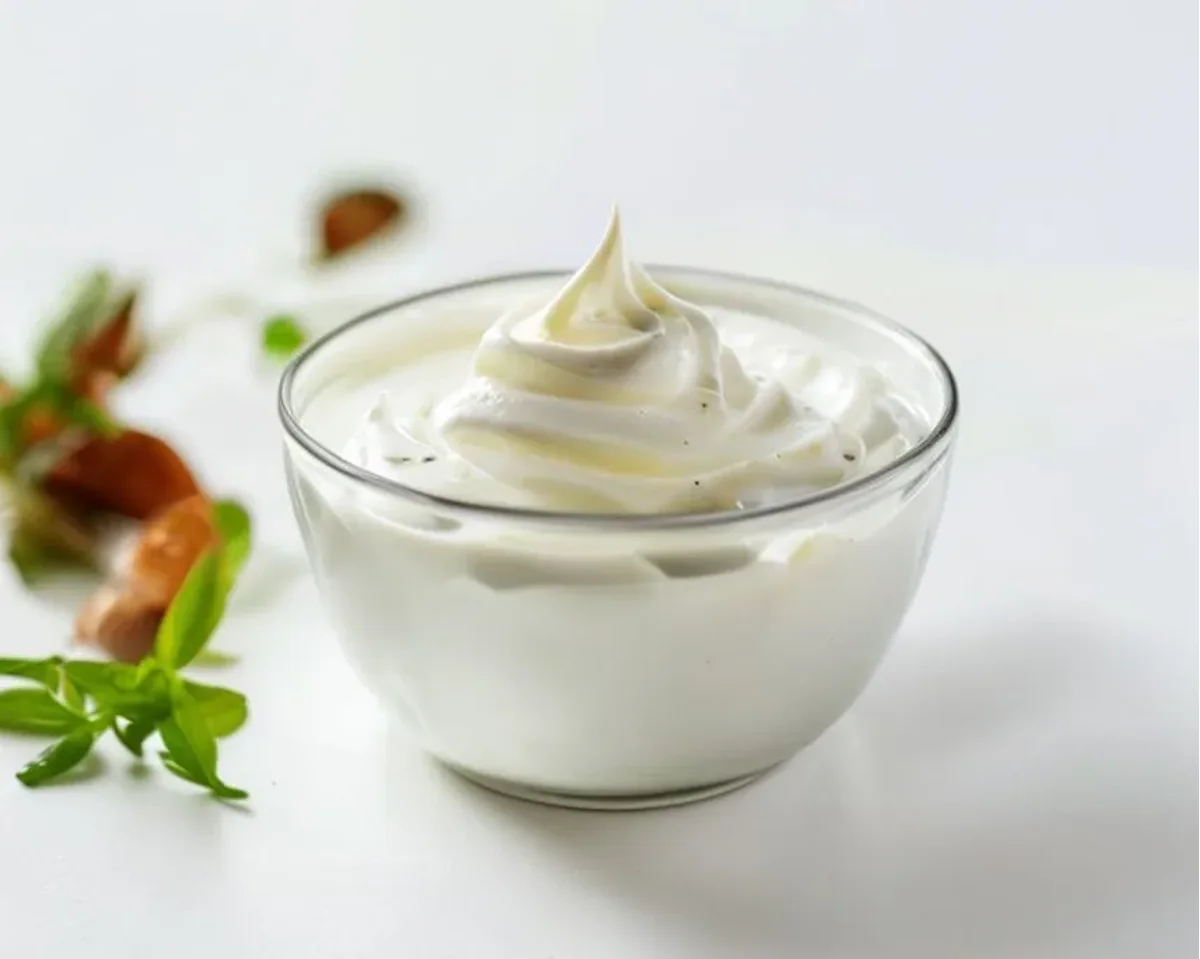
Greek yogurt is a creamy dairy product made by straining whey and lactose from regular yogurt.
Greek yogurt is high in protein, calcium, probiotics, and vitamin B12. It’s also lower in lactose and has a creamy texture.
Lysine Considerations
Lysine, a essential amino acid, is required by the body to synthesize proteins and bolster the immune system.
Lysine has the potential to prevent or treat cold sores, which are blisters caused by the HSV-1 virus, also known as herpes.
Lysine operates by inhibiting the proliferation of HSV-1, which relies on another amino acid, arginine, to reproduce and infect cells. Lysine can only be acquired through our diet and is present in multiple high-protein foods such as eggs, milk, cheese and yogurt, fish, meat, and poultry.
Greek yogurt is an excellent source of lysine, providing about 5% of the RDI per 100 grams. Lysine is an essential amino acid that supports protein synthesis, collagen formation, and immune function.
Arginine Considerations
Arginine is a essential amino acid that the body uses to build proteins.
Arginine has many functions in the body, including wound healing, helping the kidneys remove waste products from the body, and maintaining immune and hormone function.
Arginine also plays a role in the replication of the herpes virus, making it a key factor in cold sore outbreaks. The herpes virus requires arginine to grow, replicate, and create new herpes viruses. Foods a great source of arginine, such as nuts and chocolate, may increase the frequency and severity of these outbreaks.
Greek yogurt is a moderate source of arginine, providing about 2% of the RDI per 100 grams. Arginine is a semi-essential amino acid that plays a role in several bodily functions, including wound healing and immune function.
Lysine-Arginine Ratio Analysis
The lysine-to-arginine ratio is arguably the single most actionable number for anyone managing herpes through diet. Rather than avoiding individual foods in isolation, the ratio gives you a net balance — a score above 1.0 means lysine is dominant, which works in your favour; a score below 1.0 means arginine is dominant, which can work against you if the food is eaten in large quantities.
This matters because herpes simplex virus does not care about absolute gram amounts — it cares about the relative availability of arginine at the cellular level. When lysine is abundant relative to arginine in the gut, it outcompetes arginine at the shared intestinal transporters, reducing how much arginine enters systemic circulation. That is the mechanism behind the dietary guidance to favour high-ratio foods, and it is why this number is the centrepiece of herpes-conscious nutrition planning.
Because Greek Yogurt contains much higher levels of lysine than arginine, it is highly recommended for people who suffer from herpes, as it may prevent outbreaks.
Greek yogurt has a high lysine-arginine ratio, which means it has more lysine relative to arginine. This may be beneficial for people with herpes simplex virus (HSV) infections, as lysine may inhibit the replication of HSV.
Nutrient Density & Portion Control
Nutrient density is a measure of how rich a food is in amino acids relative to portion size. We calculate it as (Lysine + Arginine) / 100, which gives you a quick sense of how much total amino acid content is packed into each 100g serving.
Greek Yogurt has a low nutrient density (6.29), which means it contains relatively lower amounts of these amino acids. You can safely enjoy larger portions of this food without worrying as much about amino acid balance, making it a flexible option in your herpes management diet.
💡 Tip: Use the density metric to quickly gauge portion control. High-density foods are nutrient-dense and should be enjoyed mindfully, while low-density foods give you more flexibility in serving sizes.
Dietary Considerations for Herpes Management
Category Overview
Yogurt is a good source of lysine, which can help prevent or reduce the severity of herpes outbreaks. Yogurt has up to three times as much lysine as arginine, which is an amino acid that can trigger herpes flare ups. Plain yogurt is the best choice, as flavored yogurts may contain added sugars or artificial sweeteners that can worsen inflammation. You can eat yogurt mixed with pieces of fruits, but it is best to limit consumption of cereals and nuts as these can have higher amounts of arginine.Practical Recommendations
In addition to eating foods that have a high lysine-arginine ratio, there are other dietary recommendations that can help you manage herpes outbreaks. For instance:
A well-balanced and healthy diet that strengthens your immune system and lowers inflammation is important. This means you should eat a lot of fruits, vegetables, whole grains, lean protein, and good fats, and avoid processed foods, added sugars, alcohol, and caffeine.
Avoid alcoholic beverages and caffeine which can overstimulate your body, leave you dehydrated, and compromise your immune system.
Consider taking l-lysine supplements, which can help prevent herpes outbreaks and stop a cold sore before it emerges by limiting the availability of arginine for the virus, which it requires to produce a cold sore.
Taking other food supplements that can improve your immunity and protect your cells from oxidative stress, such as vitamin C, zinc, selenium, and antioxidants.
To prevent outbreaks, avoid foods that can cause allergic reactions or sensitivities, such as gluten, dairy, nuts, eggs, or shellfish. These foods can harm your immune system and make inflammation worse.
During an active outbreak, focus on soft, easy-to-digest, anti-inflammatory foods: plain probiotic yogurt (which supports gut immunity), raw honey (which has documented antiviral properties against HSV in lab settings), warm herbal teas like lemon balm or chamomile, and blended vegetable soups rich in zinc and vitamin A. These foods are gentle on a stressed immune system and help create the internal conditions for faster healing.
Is Greek Yogurt Safe for Shingles?
Yes, Greek Yogurt is an excellent choice for shingles management. With a lysine-to-arginine ratio of 2.98, this food is rich in lysine, which supports your body's natural defenses against varicella-zoster virus (VZV) reactivation.
Lysine is known to inhibit arginine metabolism, a key factor in viral replication. By choosing lysine-rich foods like Greek Yogurt, you're actively supporting your immune system's ability to keep VZV dormant.
Include Greek Yogurt regularly in your diet to maintain a lysine-favorable amino acid balance. Pair it with other lysine-rich foods for maximum antiviral support.
✓ Shingles-Friendly: This food's high lysine content makes it a smart choice for reducing herpes zoster reactivation risk.
Medical Disclaimer: This information is for educational purposes only and should not replace professional medical advice. Always consult a healthcare provider before making significant dietary changes, especially if you have active shingles or a history of herpes infections.
Is Greek Yogurt good or bad for herpes?
With a ratio of 2.98, Greek Yogurt is considered a lysine-dominant food — a positive choice for herpes management. The lysine-to-arginine ratio is the key metric: foods above 1.0 generally support herpes management, while foods below 1.0 require more careful portioning. Greek Yogurt fits into the favourable category.
Is Greek Yogurt high in arginine?
Greek Yogurt has a moderate arginine level of 158.00mg per 100g. This level is manageable for most people when consumed as part of a balanced, lysine-rich diet.
How much lysine does Greek Yogurt contain?
Its lysine content of 471.00mg per 100g is substantial and actively helps compete with arginine at the intestinal absorption level. Because its lysine content exceeds its arginine content, Greek Yogurt contributes positively to the overall amino acid balance in a herpes management diet.
Can I eat Greek Yogurt if I have herpes?
Yes — Greek Yogurt has a lysine-to-arginine ratio of 2.98, which is favourable for people managing HSV-1 or HSV-2. It can be enjoyed as part of a herpes-conscious diet without significant concern. Always consult your healthcare provider for personalised advice.
What is the lysine-arginine ratio of Greek Yogurt?
The lysine-arginine ratio of Greek Yogurt is 2.98, calculated from 471.00mg lysine and 158.00mg arginine per 100g serving. A ratio above 1 means lysine is the dominant amino acid, which is generally favourable for herpes management.
Does Greek Yogurt trigger cold sores?
Greek Yogurt is unlikely to trigger cold sores on its own. Its lysine-to-arginine ratio of 2.98 means it does not provide an excess of arginine that would feed the herpes simplex virus. If you notice a personal correlation between eating Greek Yogurt and outbreaks, consider reducing your serving size.

Image: Bravado Labs Advanced Lysine Immune Boost
Bravado Labs Advanced Lysine Immune Boost
Why we love it:
- Verified Customer Favorite
- High Quality Ingredients
As an affiliate, we earn from qualifying purchases.
Recommended Supplements for Herpes Management
Simplix Viral Defense
Cold Sore & HSV Support

Simplix Viral Defense
Cold Sore & HSV Support
Synergistic formula combining L-Lysine, shiitake mushroom, and marine bioactives for comprehensive immune support.
SHOP NOW & SAVE 15%