About Red Wine
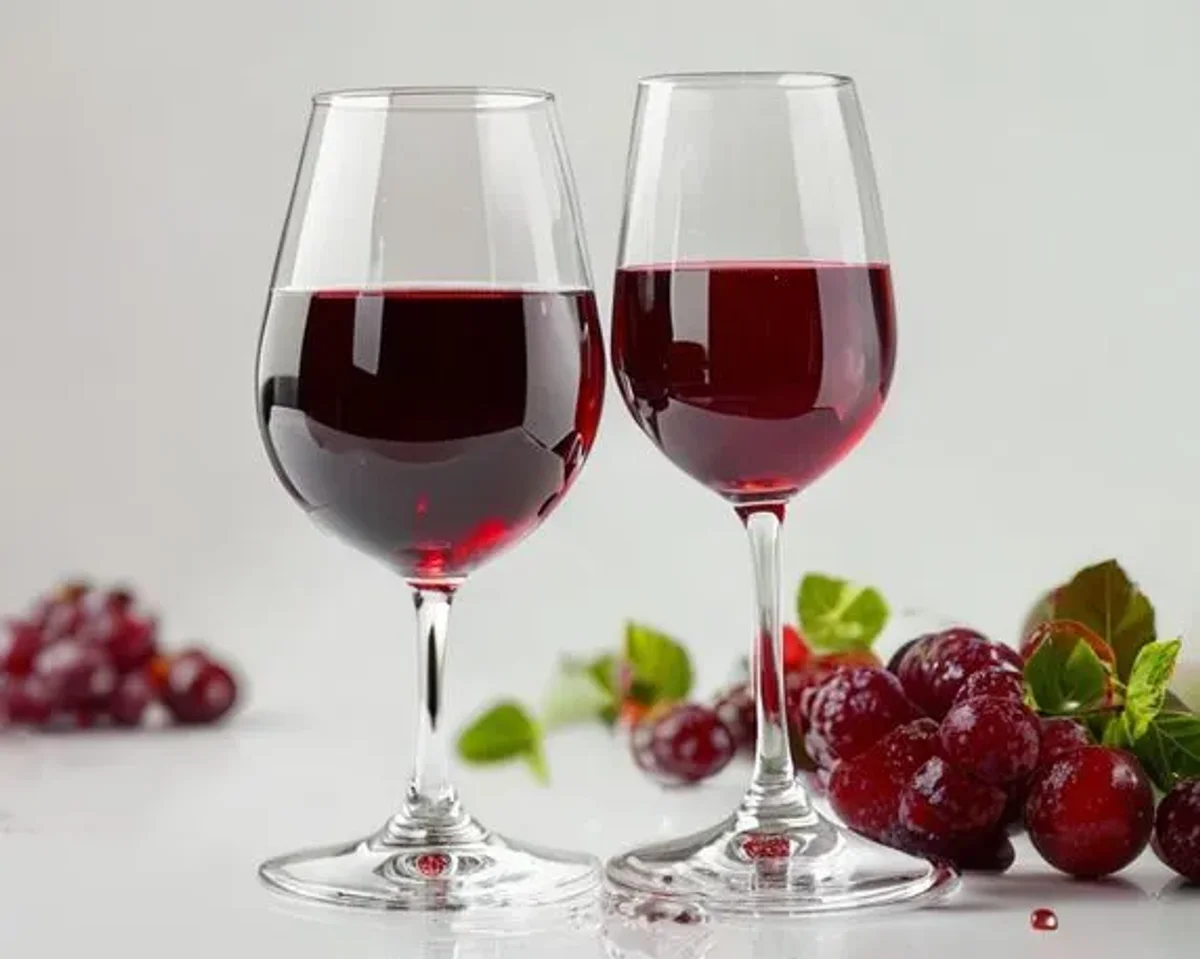
Red wine is a drink that is made from fermented grapes, usually with the skin and seeds. It has a fruity and acidic taste and a red color. It is usually consumed with meals or for enjoyment.
Red wine is rich in antioxidants, such as resveratrol, quercetin, and anthocyanins, that can protect against oxidative stress and inflammation. Red wine may also have some health benefits, such as lowering the risk of cardiovascular disease, diabetes, and dementia. However, red wine also contains alcohol, which may have negative effects, such as impairing liver function, increasing blood pressure, and causing dehydration.
Lysine Considerations
Lysine is an essential amino acid that the human body needs to make proteins and support your immune system.
Lysine can help prevent or treat cold sores, which are blisters caused by the virus HSV-1, also known as herpes.
Lysine works by blocking the growth of HSV-1, which needs another amino acid called arginine to multiply and infect cells. Lysine can only be obtained through diet, and can be found in different abundant in protein foods like dairy products, fish, eggs, meat, and poultry.
Red wine has a very low amount of lysine, which is an essential amino acid that the body cannot produce. Lysine is important for protein synthesis, collagen formation, and calcium absorption. Lysine deficiency may cause fatigue, anemia, hair loss, and impaired immunity.
Arginine Considerations
Arginine is a conditionally essential amino acid with a dual role: it is genuinely useful to your body for cardiovascular health and immune signalling, yet it is also the primary fuel the herpes simplex virus uses to replicate inside your cells.
When HSV-1 or HSV-2 reactivates, the virus commandeers intracellular arginine to assemble new viral capsids. Research published in the Journal of Nutrition has shown that depleting arginine availability — either through dietary restriction or by increasing lysine intake — can slow this process considerably. This is why monitoring the arginine content of foods matters for people managing recurrent outbreaks, even when absolute arginine levels seem low.
Red wine has a very low amount of arginine, which is a semi-essential amino acid that the body can produce in limited amounts. Arginine is important for nitric oxide production, wound healing, and immune function. Arginine may help improve blood flow, lower blood pressure, and enhance exercise performance.
Lysine-Arginine Ratio Analysis
Understanding the lysine-arginine ratio means understanding why some otherwise healthy foods can still be problematic for HSV management. A food can be nutritious, low in calories, and full of vitamins — yet if its arginine content substantially outweighs its lysine content, regular consumption may tip your internal amino acid balance in favour of the virus.
The ratio shown on this page is calculated from USDA nutritional data per 100g of food. A ratio above 1.5 is generally considered favourable for herpes management; between 0.75 and 1.5 is neutral territory where overall diet context matters more; below 0.75 means the food has noticeably more arginine than lysine, and portion size becomes an important consideration. Use this as one data point among many, and pair it with the density score to get a complete picture.
Because Red Wine has a neutral ratio of lysine and arginine, it does not have a significant impact on people who suffer from herpes, as it does not affect the viral activity.
Red wine has a neutral lysine-arginine ratio, which means that it does not affect the balance of herpes simplex virus (HSV) in the body. However, red wine may have other effects on HSV, such as lowering the immune system, increasing inflammation, and triggering outbreaks. Therefore, people with HSV may want to avoid or limit their intake of red wine and drink plain water instead.
Nutrient Density & Portion Control
Nutrient density is a measure of how rich a food is in amino acids relative to portion size. We calculate it as (Lysine + Arginine) / 100, which gives you a quick sense of how much total amino acid content is packed into each 100g serving.
Red Wine has a low nutrient density (0), which means it contains relatively lower amounts of these amino acids. You can safely enjoy larger portions of this food without worrying as much about amino acid balance, making it a flexible option in your herpes management diet.
💡 Tip: Use the density metric to quickly gauge portion control. High-density foods are nutrient-dense and should be enjoyed mindfully, while low-density foods give you more flexibility in serving sizes.
Dietary Considerations for Herpes Management
Category Overview
Alcohol is a beverage that contains ethanol which is produced by fermenting sugars from various sources such as grains fruits or honey. Alcohol can have various effects on the body such as relaxing the muscles impairing judgment and increasing blood pressure. Alcohol has very low amounts of both lysine and arginine therefore has a neutral ratio. Alcohol does not directly affect the herpes virus but it can weaken the immune system and make the body more susceptible to infections. Some alcoholic drinks may also contain other ingredients that have higher arginine to lysine ratio but spirits and popular beverages such as beer, red wine, and white wine have little to no lysine and arginine. Still alcoholic drinks should be avoided or consumed in moderation by people with herpes.Practical Recommendations
The lysine-arginine ratio is a powerful tool, but diet management for herpes works best as a complete strategy. Here are additional dietary habits that experienced herpes-management practitioners consistently recommend:
A diverse and nutritious diet that supports your immune system and fights inflammation is essential. This means you should eat lots of fruits, vegetables, whole grains, lean protein, and healthy fats, and steer clear of processed foods, added sugars, alcohol, and caffeine, which can harm your health.
Avoid alcoholic beverages and caffeine which can overstimulate your body, leave you dehydrated, and compromise your immune system.
Consider taking l-lysine supplements, which can help prevent herpes outbreaks and stop a cold sore before it emerges by limiting the availability of arginine for the virus, which it requires to produce a cold sore.
Taking other food supplements that can improve your immunity and protect your cells from oxidative stress, such as vitamin C, zinc, selenium, and antioxidants.
To prevent outbreaks, avoid foods that can cause allergic reactions or sensitivities, such as gluten, dairy, nuts, eggs, or shellfish. These foods can harm your immune system and make inflammation worse.
During an active outbreak, focus on soft, easy-to-digest, anti-inflammatory foods: plain probiotic yogurt (which supports gut immunity), raw honey (which has documented antiviral properties against HSV in lab settings), warm herbal teas like lemon balm or chamomile, and blended vegetable soups rich in zinc and vitamin A. These foods are gentle on a stressed immune system and help create the internal conditions for faster healing.
Is Red Wine Safe for Shingles?
Caution is strongly advised. While the lysine-arginine ratio of Red Wine might look neutral, alcohol is a known immune system suppressant.
Shingles outbreaks occur when the immune system is weakened, allowing the Varicella-Zoster virus to reactivate. Consuming alcohol—regardless of its amino acid content—can impede your white blood cells' ability to fight the virus, potentially prolonging the outbreak or increasing severity.
Recommendation: It is best to avoid or strictly limit alcohol during an active outbreak or recovery.
⚠ Immune Suppressant: Alcohol weakens the immune defense needed to keep the shingles virus dormant. Read more about Alcohol and Viral Outbreaks here.
Medical Disclaimer: This information is for educational purposes only and should not replace professional medical advice. Always consult a healthcare provider before making significant dietary changes, especially if you have active shingles or a history of herpes infections.
Is Red Wine good or bad for herpes?
With a ratio of 1.00, Red Wine sits in a neutral range. It is unlikely to cause problems in moderate servings when overall diet is lysine-rich. The lysine-to-arginine ratio is the key metric: foods above 1.0 generally support herpes management, while foods below 1.0 require more careful portioning. Red Wine fits into the favourable category.
Is Red Wine high in arginine?
Red Wine is relatively low in arginine at 0.01mg per 100g. This level is manageable for most people when consumed as part of a balanced, lysine-rich diet.
How much lysine does Red Wine contain?
Its lysine content of 0.01mg per 100g is low, so it contributes little lysine to counterbalance arginine from other foods. Because its arginine content exceeds its lysine content, you may want to pair Red Wine with higher-lysine foods to maintain a favourable overall balance.
Can I eat Red Wine if I have herpes?
Yes — Red Wine has a lysine-to-arginine ratio of 1.00, which is favourable for people managing HSV-1 or HSV-2. It can be enjoyed as part of a herpes-conscious diet without significant concern. Always consult your healthcare provider for personalised advice.
What is the lysine-arginine ratio of Red Wine?
The lysine-arginine ratio of Red Wine is 1.00, calculated from 0.01mg lysine and 0.01mg arginine per 100g serving. A ratio below 1 means arginine is more abundant, which requires more careful intake management.
Does Red Wine trigger cold sores?
Red Wine is unlikely to trigger cold sores on its own. Its lysine-to-arginine ratio of 1.00 means it does not provide an excess of arginine that would feed the herpes simplex virus. If you notice a personal correlation between eating Red Wine and outbreaks, consider reducing your serving size.

Image: Bravado Labs Advanced Lysine Immune Boost
Bravado Labs Advanced Lysine Immune Boost
Why we love it:
- Verified Customer Favorite
- High Quality Ingredients
As an affiliate, we earn from qualifying purchases.
Recommended Supplements for Herpes Management
Simplix Viral Defense
Cold Sore & HSV Support

Simplix Viral Defense
Cold Sore & HSV Support
Synergistic formula combining L-Lysine, shiitake mushroom, and marine bioactives for comprehensive immune support.
SHOP NOW & SAVE 15%