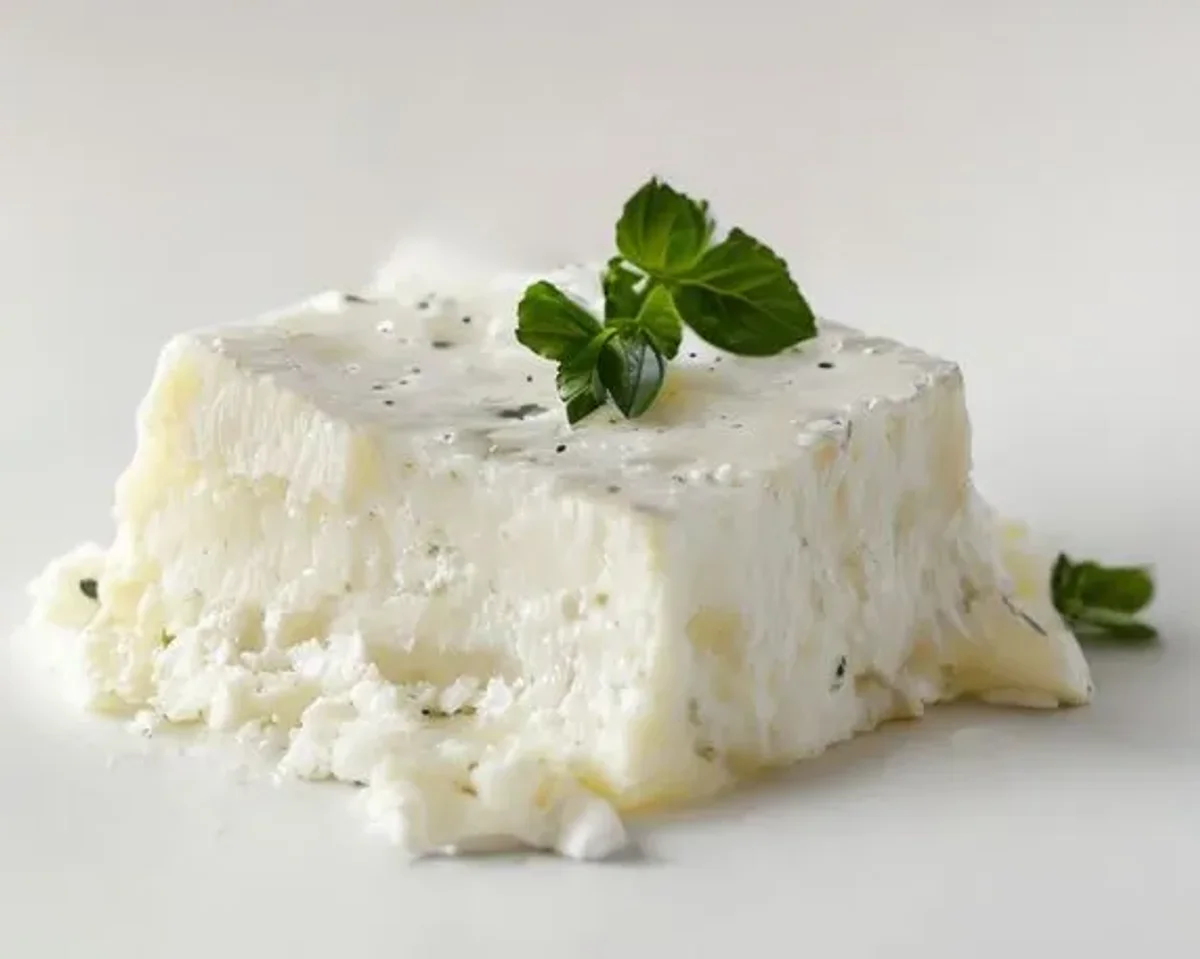
About Ricotta Cheese
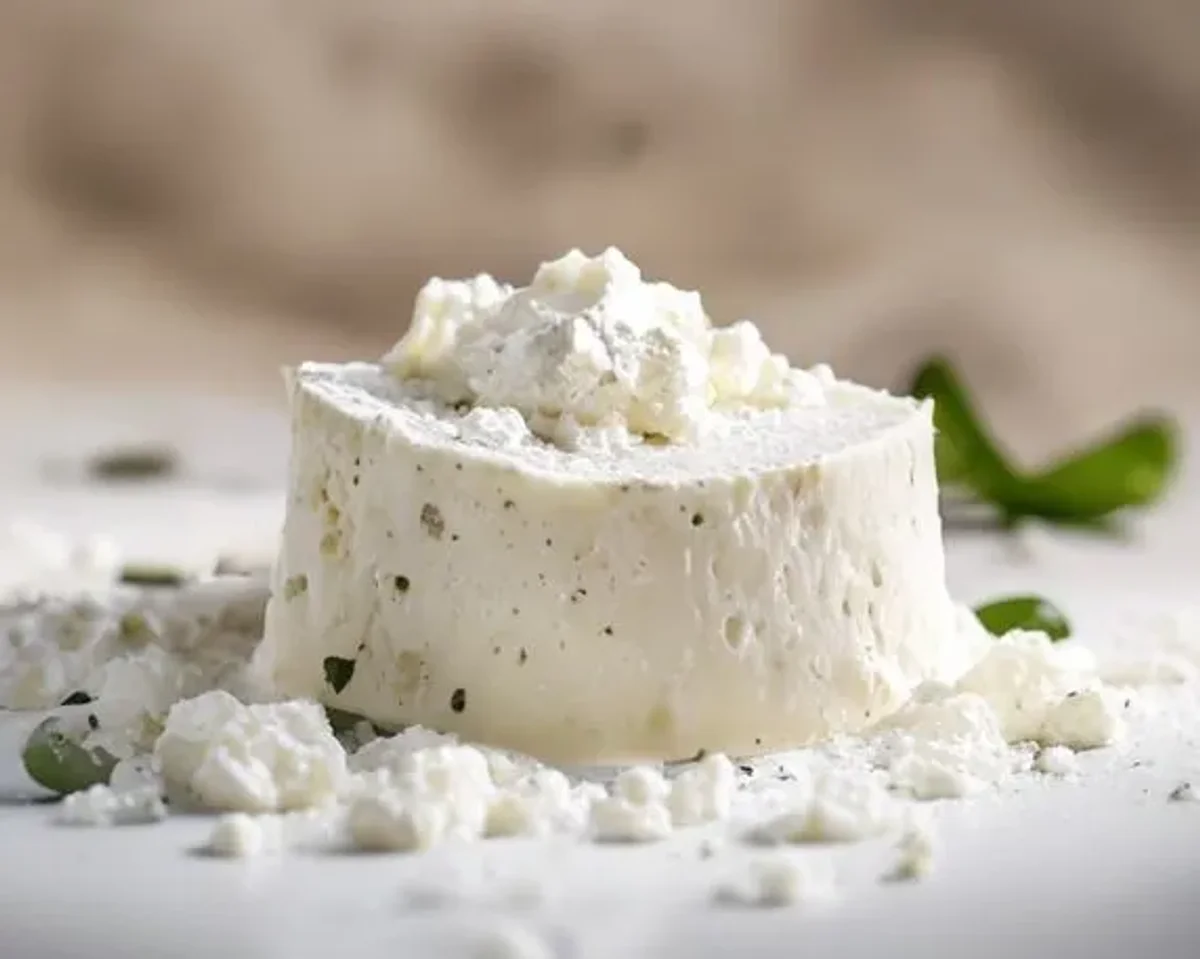
Ricotta cheese is a soft, white, and creamy cheese that is made from the whey left over from the production of other cheeses. It is usually eaten fresh or used in dishes, such as lasagna, cannoli, and cheesecake.
Ricotta cheese is high in calories, protein, calcium, and phosphorus. It also contains vitamin A, vitamin B12, and zinc. Ricotta cheese may have some health benefits, such as supporting bone health, muscle growth, and immune function. Ricotta cheese also contains lactose, which some people may be intolerant to.
Lysine Considerations
From a nutritional standpoint, lysine is one of the most studied amino acids in relation to herpes management. A landmark study published in Dermatologica found that supplemental lysine significantly reduced the frequency, severity, and healing time of cold sore outbreaks in participants who took at least 1,000mg daily.
Lysine's mechanism is competitive inhibition: because it shares the same intestinal absorption pathway as arginine, higher dietary lysine levels limit how much arginine becomes available to the herpes virus. For people managing HSV-1 or HSV-2, tracking the lysine content of foods — not just avoiding high-arginine foods — gives a more complete and proactive picture of dietary management.
Lysine is an essential amino acid that is important for protein synthesis, collagen formation, and immune function. Ricotta cheese is a very good source of lysine, providing about 134% of the RDI per 100 grams.
Arginine Considerations
Arginine is a conditionally essential amino acid with a dual role: it is genuinely useful to your body for cardiovascular health and immune signalling, yet it is also the primary fuel the herpes simplex virus uses to replicate inside your cells.
When HSV-1 or HSV-2 reactivates, the virus commandeers intracellular arginine to assemble new viral capsids. Research published in the Journal of Nutrition has shown that depleting arginine availability — either through dietary restriction or by increasing lysine intake — can slow this process considerably. This is why monitoring the arginine content of foods matters for people managing recurrent outbreaks, even when absolute arginine levels seem low.
Arginine is a semi-essential amino acid that is involved in nitric oxide production, wound healing, and blood pressure regulation. Ricotta cheese is a good source of arginine, providing about 63% of the RDI per 100 grams.
Lysine-Arginine Ratio Analysis
The ratio of lysine to arginine in a food item indicates the amount of these amino acids it contains. Lysine and arginine are both necessary for protein synthesis and other metabolic processes.
However, they have different effects on the herpes simplex virus, which causes cold sores and genital herpes. Lysine can stunt the replication of the virus, while arginine can stimulate it.
Eating foods with a higher lysine-arginine ratio may help reduce the occurrence and severity of herpes outbreaks.
Examples of foods with a high lysine-arginine ratio include milk and cheese, fish, poultry, fruits, and vegetables. These foods can provide the body with enough lysine to compete with arginine, potentially reducing the risk of viral replication.
Because Ricotta Cheese contains much higher levels of lysine than arginine, it is highly recommended for people who suffer from herpes, as it may prevent outbreaks.
The lysine-arginine ratio is a measure of the balance between these two amino acids in a food. A higher ratio means more lysine relative to arginine, which may be beneficial for preventing or treating viral infections, such as herpes simplex. Ricotta cheese has a high lysine-arginine ratio of 2.12, which may help inhibit viral replication.
Nutrient Density & Portion Control
Nutrient density is a measure of how rich a food is in amino acids relative to portion size. We calculate it as (Lysine + Arginine) / 100, which gives you a quick sense of how much total amino acid content is packed into each 100g serving.
Ricotta Cheese has a medium nutrient density (19.66), which is a good balance. You can enjoy this food in moderate portions without needing to be overly restrictive. It's a solid choice for herpes management when paired with other lysine-rich foods.
💡 Tip: Use the density metric to quickly gauge portion control. High-density foods are nutrient-dense and should be enjoyed mindfully, while low-density foods give you more flexibility in serving sizes.
Dietary Considerations for Herpes Management
Category Overview
Like other dairy products, cheese is a good source of lysine and low in arginine. Cheese can help boost the immune system and fight off herpes infections. Cheese also contains calcium, protein, and vitamin B12, which are essential for overall health. Parmesan Cheese, ricotta cheese, cottage cheese, and cheddar cheese are some of the cheeses that have the most lysine compared to arginine.Practical Recommendations
Besides consuming foods with a high ratio of lysine to arginine, you should also follow some other dietary tips to cope with herpes outbreaks. For example:
Eating a balanced and nutritious diet that supports your immune system and reduces inflammation. This means consuming plenty of fruits, vegetables, whole grains, lean protein, and healthy fats, and avoiding processed foods, added sugars, alcohol, and caffeine.
Make sure to drink plenty of water to keep yourself hydrated and eliminate toxins from your body. Water can also help you avoid dryness and irritation of the skin and mucous membranes, which can lead to outbreaks.
L-lysine supplementation is one of the most widely used dietary interventions for herpes management. Clinical studies suggest a daily dose of 1,000–3,000mg can reduce outbreak frequency. If your diet is already rich in lysine-heavy foods like fish, eggs, and dairy, supplements can further tip the amino acid balance in your favour — particularly during high-stress periods when outbreak risk increases.
Other food supplements, such as vitamin C, zinc, selenium, and antioxidants, can help you boost your immunity and protect your cells from oxidative stress.
Pay attention to your personal food triggers beyond the lysine-arginine framework. Some people with HSV notice that highly processed foods, refined sugars, or specific allergens reliably precede outbreaks. Keeping a simple food and symptom journal for a few weeks can reveal individual patterns that no general chart can capture.
Pain, swelling, and itching can be reduced by eating foods that have anti-inflammatory, antiviral, and antibacterial properties, such as honey, plain yogurt, aloe vera, and chamomile tea. These foods can also help you heal faster by promoting tissue repair.
Is Ricotta Cheese Safe for Shingles?
Yes, Ricotta Cheese is an excellent choice for shingles management. With a lysine-to-arginine ratio of 2.12, this food is rich in lysine, which supports your body's natural defenses against varicella-zoster virus (VZV) reactivation.
Lysine is known to inhibit arginine metabolism, a key factor in viral replication. By choosing lysine-rich foods like Ricotta Cheese, you're actively supporting your immune system's ability to keep VZV dormant.
Include Ricotta Cheese regularly in your diet to maintain a lysine-favorable amino acid balance. Pair it with other lysine-rich foods for maximum antiviral support.
✓ Shingles-Friendly: This food's high lysine content makes it a smart choice for reducing herpes zoster reactivation risk.
Medical Disclaimer: This information is for educational purposes only and should not replace professional medical advice. Always consult a healthcare provider before making significant dietary changes, especially if you have active shingles or a history of herpes infections.
Is Ricotta Cheese good or bad for herpes?
With a ratio of 2.12, Ricotta Cheese is considered a lysine-dominant food — a positive choice for herpes management. The lysine-to-arginine ratio is the key metric: foods above 1.0 generally support herpes management, while foods below 1.0 require more careful portioning. Ricotta Cheese fits into the favourable category.
Is Ricotta Cheese high in arginine?
At 629.27mg per 100g, Ricotta Cheese has a notably high arginine content. For context, foods above 200mg arginine per 100g are worth monitoring closely if you have frequent herpes outbreaks. Pairing Ricotta Cheese with high-lysine foods like eggs, fish, or dairy can help offset its arginine content.
How much lysine does Ricotta Cheese contain?
Its lysine content of 1336.59mg per 100g is substantial and actively helps compete with arginine at the intestinal absorption level. Because its lysine content exceeds its arginine content, Ricotta Cheese contributes positively to the overall amino acid balance in a herpes management diet.
Can I eat Ricotta Cheese if I have herpes?
Yes — Ricotta Cheese has a lysine-to-arginine ratio of 2.12, which is favourable for people managing HSV-1 or HSV-2. It can be enjoyed as part of a herpes-conscious diet without significant concern. Always consult your healthcare provider for personalised advice.
What is the lysine-arginine ratio of Ricotta Cheese?
The lysine-arginine ratio of Ricotta Cheese is 2.12, calculated from 1336.59mg lysine and 629.27mg arginine per 100g serving. A ratio above 1 means lysine is the dominant amino acid, which is generally favourable for herpes management.
Does Ricotta Cheese trigger cold sores?
Ricotta Cheese is unlikely to trigger cold sores on its own. Its lysine-to-arginine ratio of 2.12 means it does not provide an excess of arginine that would feed the herpes simplex virus. If you notice a personal correlation between eating Ricotta Cheese and outbreaks, consider reducing your serving size.

Image: Bravado Labs Advanced Lysine Immune Boost
Bravado Labs Advanced Lysine Immune Boost
Why we love it:
- Verified Customer Favorite
- High Quality Ingredients
As an affiliate, we earn from qualifying purchases.
Recommended Supplements for Herpes Management
Simplix Viral Defense
Cold Sore & HSV Support

Simplix Viral Defense
Cold Sore & HSV Support
Synergistic formula combining L-Lysine, shiitake mushroom, and marine bioactives for comprehensive immune support.
SHOP NOW & SAVE 15%