Cold sores are caused by the herpes simplex virus and can be triggered or worsened by certain foods in your diet.
While antiviral medications are effective, paying attention to what you eat can also help reduce the frequency and severity of outbreaks.
Some foods contain ‘arginine’, an amino acid that may encourage the virus to replicate, while others are acidic or irritating and can inflame the delicate skin around cold sores.
Choosing the right foods and avoiding potential dietary triggers can support your body’s healing process and minimize discomfort.
For a full picture of how diet affects herpes, see our guide on ‘herpes and diet’.
Below, we explore 10 specific foods and drinks that are best avoided when you have cold sores, helping you manage symptoms more effectively and promote faster recovery.
Simplix Viral Defense
Cold Sore & HSV Support

Simplix Viral Defense
Cold Sore & HSV Support
Synergistic formula combining L-Lysine, shiitake mushroom, and marine bioactives for comprehensive immune support.
SHOP NOW & SAVE 15%10 Foods to Avoid When You Have Cold Sores
1.
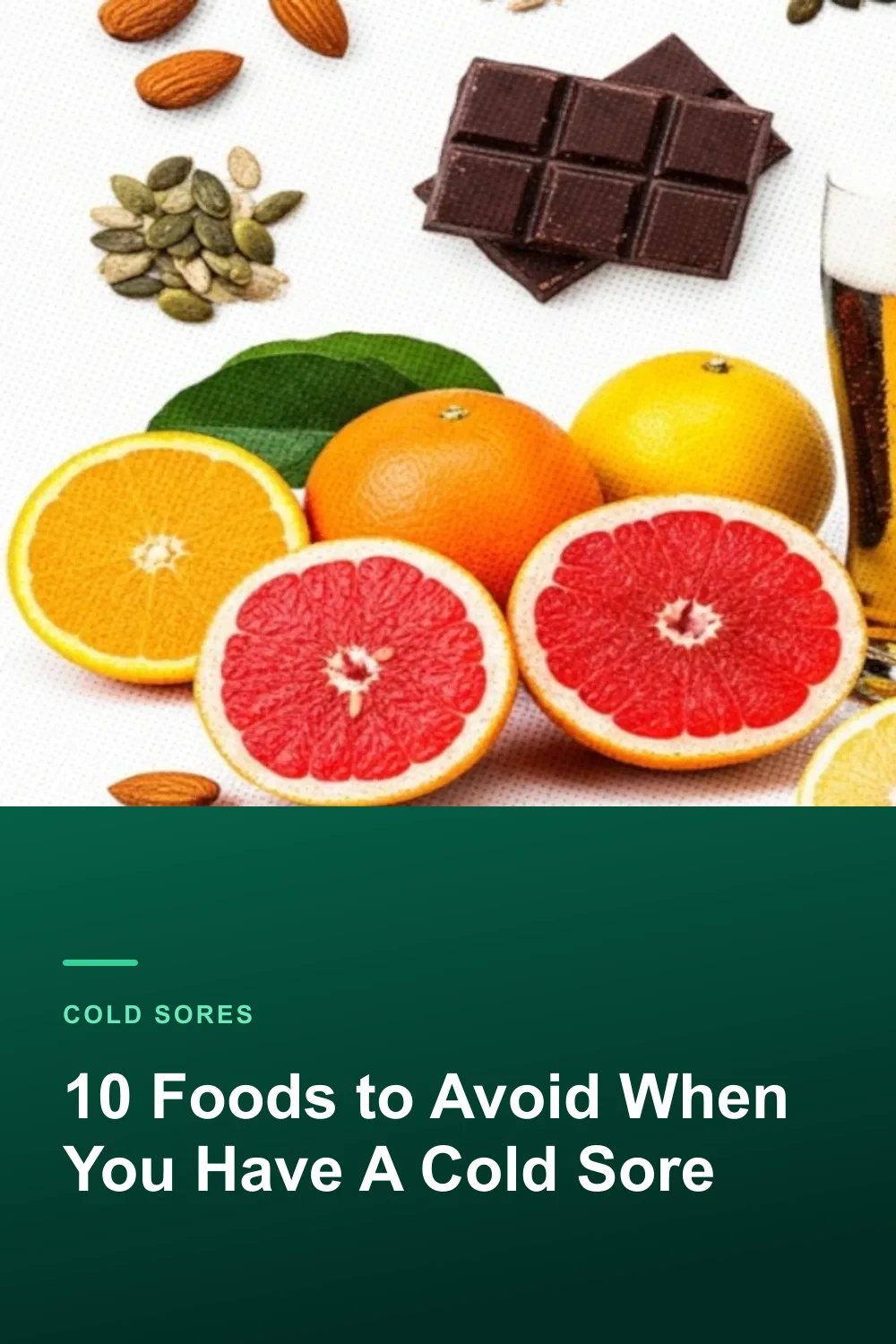
Nuts Nuts such as almonds, walnuts, peanuts, and hazelnuts are rich in arginine, an amino acid that the herpes simplex virus uses to replicate and spread.
A diet high in arginine can potentially trigger cold sore outbreaks or worsen existing lesions by encouraging viral activity.
While nuts provide healthy fats and nutrients, during a cold sore outbreak, it’s important to limit your intake to reduce the risk of prolonging or intensifying symptoms.
Balancing your diet with ‘lysine-rich foods’, which counteract arginine’s effects, can help support healing.
2.
Seeds Many seeds, including flaxseeds, pumpkin seeds, and sesame seeds, contain significant amounts of arginine.
This amino acid can stimulate the herpes simplex virus, potentially leading to more frequent or severe cold sore outbreaks.
For those prone to cold sores, it’s advisable to moderate seed consumption during active outbreaks.
Incorporating lysine-rich foods like yogurt or fish can help balance amino acid intake and support recovery.
3.
Chocolate Chocolate is a well-known trigger for cold sores because it contains a high ratio of arginine to lysine.
This imbalance favors viral replication, increasing the likelihood of outbreaks or worsening existing sores.
During an active cold sore episode, avoiding chocolate—including dark, milk, and white varieties—can help reduce irritation and promote faster healing.
Opt for snacks rich in lysine to help inhibit the virus.
4.
Gelatin-based Products Gelatin, commonly found in gummy candies, marshmallows, and some desserts, can irritate the delicate skin around cold sores.
These products often contain added sugars and artificial ingredients that may weaken the immune system and delay healing.
Because of their texture and composition, gelatin-based foods can aggravate cold sore discomfort and should be avoided during outbreaks to support the body’s natural healing process.
5. Citrus Fruits
Citrus fruits like lemons, oranges, limes, and grapefruits are highly acidic, which can irritate and inflame the already sensitive skin around cold sores. This irritation can increase pain, redness, and swelling, making healing more difficult. Although citrus fruits are rich in vitamin C and other nutrients, it’s best to avoid them during active cold sore outbreaks to prevent aggravating the lesion and prolonging recovery.6. Tomatoes and Tomato Products
Tomatoes and tomato-based products such as ketchup, sauces, and soups are also acidic and can cause irritation to cold sore lesions. The acidity may exacerbate discomfort and delay healing. Limiting tomato consumption, particularly that of raw tomatoes, during outbreaks can help reduce irritation and support a more comfortable recovery. Cooking tomatoes can reduce acidity and should be preferred.7. Spicy Foods
Spicy foods contain compounds like capsaicin that can irritate and inflame the sensitive skin affected by cold sores. This irritation may increase pain and discomfort, making it harder for the sore to heal effectively. For a deeper look at the research, see our article on ‘spicy food and herpes’. During an outbreak, it’s advisable to avoid spicy dishes to minimize inflammation and support the healing process.8. Coffee
Coffee contains caffeine and other compounds that may act as triggers for some people prone to cold sores. Caffeine can also contribute to dehydration, which may delay healing and increase discomfort around the sore. If you notice coffee worsens your symptoms, consider reducing or avoiding it during outbreaks to aid recovery and reduce irritation.9.
Sodas Sodas are typically high in sugar and acidity, both of which can irritate cold sores and weaken your immune system.
The acidic nature of sodas can inflame the skin around the sore, while excess sugar may hamper your body’s ability to fight the virus effectively.
To promote faster healing and reduce discomfort, it’s best to avoid sodas and other sugary, acidic beverages during cold sore outbreaks.
10.
Alcohol Alcohol can suppress the immune system and cause dehydration, both of which may prolong cold sore healing and increase the risk of more frequent outbreaks.
Drinking alcohol during an active cold sore can also irritate the skin and delay recovery.
See our full article on herpes and alcohol for more detail.
Limiting or avoiding alcohol while you have a cold sore can help your body heal more efficiently and reduce the severity of symptoms.
Foods to Avoid with Cold Sores: Frequently Asked Questions
Why should I avoid arginine-rich foods during a cold sore outbreak?
Arginine is an amino acid that the herpes simplex virus uses to replicate. Foods high in arginine — like nuts, seeds, and chocolate — may encourage viral activity and worsen or prolong outbreaks. Balancing your diet with lysine-rich foods can help counteract this effect.
Can eating citrus fruits make a cold sore worse?
Yes, citrus fruits are acidic and can irritate the sensitive skin around cold sores, increasing pain and redness. While they are nutritious, it is best to avoid them during an active outbreak to reduce discomfort and support faster healing.
Is coffee bad when you have a cold sore?
Coffee contains caffeine, which can contribute to dehydration and may irritate the affected area for some people. If you find coffee worsens your symptoms, consider reducing your intake during an outbreak. Staying well-hydrated is important for healing.
What should I eat instead when I have a cold sore?
Focus on lysine-rich foods such as dairy products, fish, chicken, and eggs, which may help inhibit the herpes simplex virus. Soft, non-acidic foods like yogurt, cooked vegetables, and oatmeal are gentle on irritated skin and support recovery.
Does alcohol slow down cold sore healing?
Yes, alcohol can suppress the immune system and cause dehydration, both of which may delay healing and increase the risk of more frequent outbreaks. Limiting alcohol while you have an active cold sore supports a faster recovery.
Image: Simplix Viral Defense
Simplix Viral Defense
Why we love it:
- Specifically formulated to reduce cold sore outbreaks
- Contains L-Lysine, Red Marine Algae, and Lemon Balm
- Supports immune system during viral challenges
- Helps manage stress-triggered outbreaks