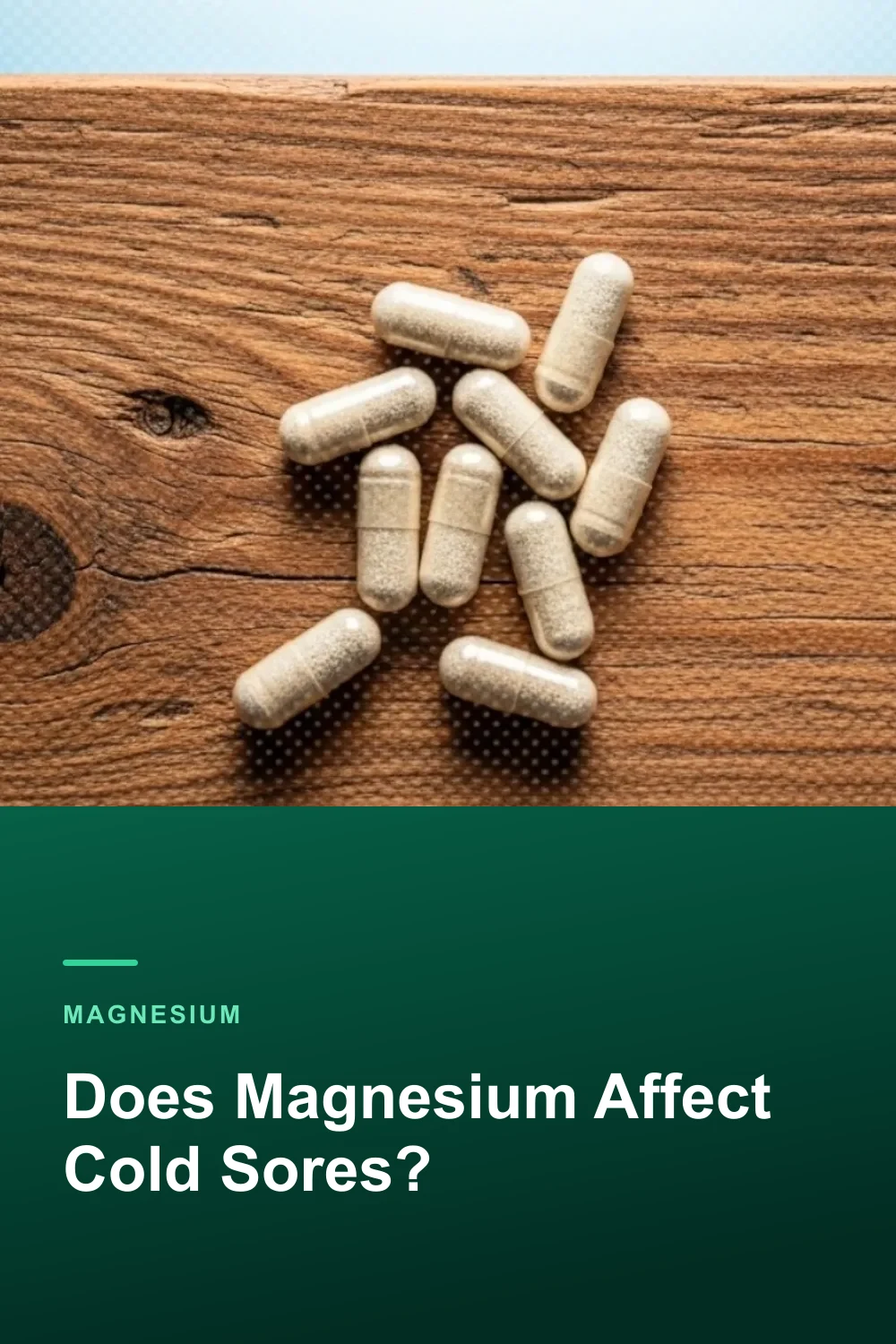
Magnesium is a vital mineral involved in hundreds of biochemical processes in the body. It supports muscle and nerve function, energy production, and immune system regulation.
Cold sores, caused by the herpes simplex virus (HSV-1), can recur due to various triggers, many of which involve immune system status.
Since magnesium plays a critical role in immune health, it raises the question: can magnesium levels or supplementation affect cold sore outbreaks?
Below we look at the evidence on whether magnesium levels or supplementation can affect the frequency and severity of cold sore outbreaks.
Simplix Viral Defense
Cold Sore & HSV Support

Simplix Viral Defense
Cold Sore & HSV Support
Synergistic formula combining L-Lysine, shiitake mushroom, and marine bioactives for comprehensive immune support.
SHOP NOW & SAVE 15%Understanding Cold Sores and Their Triggers
Cold sores are caused by HSV-1 virus reactivation, leading to painful blisters mainly around the lips.
The virus lies dormant in sensory nerve cells and can be triggered by stress, illness, sun exposure, and immune suppression.
For a full list of known triggers, see our guide to cold sore triggers.
Because the immune system controls viral activity, any factor that weakens immunity can increase the risk of outbreaks.
This creates interest in nutrients like magnesium that support immune function.
Magnesium's Role in Immune Function
Magnesium is essential for maintaining healthy immune responses. It helps regulate inflammatory processes, supports activation of immune cells, and aids in the production of antibodies. Deficiency in magnesium has been linked to increased inflammation, oxidative stress, and impaired immunity, all of which can make the body more susceptible to infections or viral reactivation.

Research Linking Magnesium and Herpes Virus
Currently, there is limited direct research specifically examining magnesium’s effect on herpes simplex virus or cold sore outbreaks.
However, some studies suggest that adequate magnesium levels may help maintain a balanced immune response and reduce inflammation, potentially lowering the risk of viral reactivation.
Supplementation to correct magnesium deficiency could therefore support overall immune resilience, which may indirectly help reduce the frequency or severity of cold sores.
Magnesium Supplementation and Cold Sore Management
While there is no conclusive evidence that magnesium supplements directly prevent cold sores, maintaining optimal magnesium levels is important for immune health.
For people prone to outbreaks, ensuring sufficient dietary magnesium or supplementation (if deficient) could be a beneficial part of a broader herpes management strategy.
Magnesium-rich foods include leafy greens and whole grains.
Note that nuts and seeds, while high in magnesium, are also high in arginine — which can promote viral replication.
For those managing herpes, prioritising magnesium from leafy greens and grains is generally preferable.
Supplements are widely available but should be taken under medical guidance to avoid excess intake.
See our guide on herpes and diet for a broader nutritional strategy.
Summary: Magnesium and Cold Sores
Magnesium supports immune system function, which in turn influences herpes virus activity and cold sore outbreaks. Although direct evidence linking magnesium to cold sore prevention is lacking, maintaining healthy magnesium levels through diet or supplementation supports immune health that may help reduce outbreaks.
Individuals prone to cold sores should consider magnesium as part of a holistic approach, including stress management, nutrition, and lifestyle factors.
For complementary supplement strategies, see our overview of natural remedies for herpes and cold sores.
Magnesium and Cold Sores FAQs
Can magnesium prevent or reduce cold sore outbreaks?
While magnesium supports immune health, there is no direct scientific evidence proving it prevents or reduces cold sore frequency. However, maintaining adequate magnesium levels may help the immune system better control herpes virus reactivation.
Does magnesium deficiency increase the risk of cold sores?
Magnesium deficiency can impair immune function and increase inflammation, which might indirectly raise the risk of herpes simplex virus outbreaks, including cold sores.
Should people prone to cold sores take magnesium supplements?
Supplementing with magnesium may benefit those who are deficient, but it is best to consult a healthcare professional before starting supplements. Magnesium-rich foods should be included in a balanced diet to maintain healthy levels.
Are there any risks of magnesium supplementation for people with herpes?
Magnesium supplements are generally safe when taken as directed. Excessive intake may cause side effects, so medical advice is recommended before supplementation, especially for individuals with underlying health conditions.
How else can magnesium support cold sore management?
By promoting a healthy immune response and reducing inflammation, magnesium can be part of a comprehensive approach to manage cold sores alongside stress reduction, good nutrition, and proper hygiene.
Image: Simplix Viral Defense
Simplix Viral Defense
Why we love it:
- Specifically formulated to reduce cold sore outbreaks
- Contains L-Lysine, Red Marine Algae, and Lemon Balm
- Supports immune system during viral challenges
- Helps manage stress-triggered outbreaks