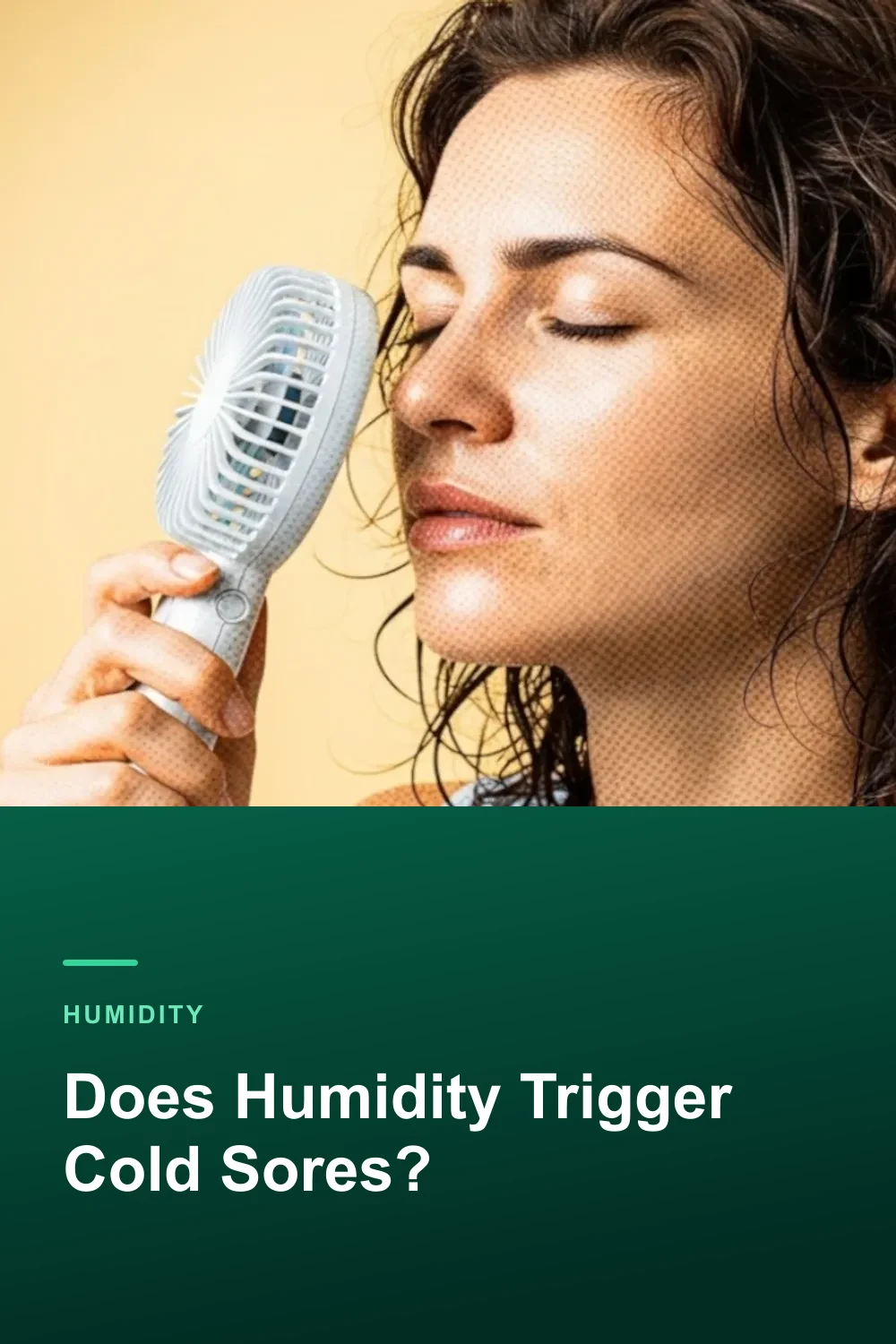
It's that time of the year when humidity is at its peak, causing hair to frizz and moods to shift. The sticky, heavy air can leave some feeling lethargic or irritable, while others notice changes in skin moisture and texture. For people prone to cold sores, these shifts may sometimes precede or worsen outbreaks of herpes simplex virus (HSV-1).
Simplix Viral Defense
Cold Sore & HSV Support

Simplix Viral Defense
Cold Sore & HSV Support
Synergistic formula combining L-Lysine, shiitake mushroom, and marine bioactives for comprehensive immune support.
SHOP NOW & SAVE 15%How Humidity Can Influence Cold Sores
Cold sores arise from the herpes simplex virus that remains inactive in nerve cells but can reactivate under certain conditions.
Environmental triggers such as humidity swings impact the skin’s moisture balance and the body’s immune defenses, two important factors in controlling viral flare-ups.
For a comprehensive list of what can trigger an outbreak, see our guide to ‘cold sore triggers’.
While neither high nor low humidity alone causes cold sores, their effects on skin and immune health can create favorable conditions for outbreaks.
The Impact of Humidity on Skin and Immune Function
High humidity causes increased moisture on the skin’s surface, which can lead to irritation, clogged pores, or bacterial growth.
This may weaken the skin’s protective barrier around the lips, where cold sores commonly appear.
Similar dynamics apply with ‘tanning beds and herpes flare-ups’, where UV exposure and heat stress interact with the virus.
Conversely, low humidity dries out the skin, increasing the risk of cracks and fissures that provide entry points for infections and can aggravate existing lesions.
Humidity also influences mucous membranes and immune responses, potentially affecting the body’s ability to suppress viral reactivation.

Environmental and Viral Interactions
The herpes virus is sensitive to changes in its environment. While direct studies on humidity’s role in triggering cold sores remain limited, fluctuating levels of moisture in the air are known to stress the body’s immune system. Periods of unusual humidity often accompany other stressors like heat or seasonal illnesses, which themselves can activate latent viruses such as HSV-1.
Personal Experiences and Observations
Many people with recurrent cold sores observe changes in outbreak frequency with shifts in humidity. Some find humid conditions provoke sweating and irritation that weaken skin defenses, while others notice dry, cracked skin during drier weather also brings flare-ups. This variation highlights the importance of individual skin sensitivity and the combined effects of multiple triggers.
Managing Cold Sores During Humid Seasons
To help reduce the impact of humidity on cold sores, consider the following tips:
- Use moisturizing, protective lip balms to maintain skin barrier integrity.
- Stay cool and wear breathable clothing to minimize sweating and irritation.
- Protect your lips from sun exposure, which often increases alongside humidity — see our guide on how to protect cold sores from sun.
- Support immune health through balanced nutrition, stress reduction, and adequate rest.
- Pay attention to personal triggers and adjust habits accordingly during humid weather.
Finding the right balance in skin care during changing humidity can be helpful for minimizing cold sore outbreaks.
Neither excessive moisture nor extreme dryness benefits the skin’s barrier function.
Tailoring your skincare routine to the season—using gentle cleansers, appropriate moisturizers, and sun protection—can help maintain healthy skin that resists viral activation.
Prioritizing both external care and internal immune support creates the best defense against cold sore flare-ups.
Our guide on ‘natural remedies for herpes and cold sores’ covers a range of supportive strategies.
Humidity and Cold Sores FAQs
Can high humidity cause cold sores?
High humidity itself does not directly cause cold sores, but it can affect skin moisture and irritation that may contribute to outbreak risk in susceptible individuals.
Does low humidity also affect cold sore frequency?
Yes, low humidity can dry out and crack the skin, weakening its defense and potentially making cold sores more likely to appear.
Are cold sore outbreaks linked to changes in mood caused by humidity?
Humidity-related mood changes like stress or discomfort can indirectly contribute to outbreaks, as stress is a well-known herpes trigger.
How can I protect my skin in humid weather to reduce cold sore risk?
Use moisturizing lip balms and gentle skincare products, avoid excessive sweating, wear breathable clothing, and protect your lips from sun exposure.
Should I change my skincare routine seasonally to manage cold sores?
Yes, adjusting your skincare routine to address humidity changes—hydrating in dry weather and soothing irritation in humid conditions—can support skin health and reduce flare-ups.
Can improving overall immune health help with cold sores during humid seasons?
Absolutely. Supporting your immune system with good nutrition, stress management, and adequate rest is key to minimizing herpes virus reactivation regardless of humidity levels.
Image: Simplix Viral Defense
Simplix Viral Defense
Why we love it:
- Specifically formulated to reduce cold sore outbreaks
- Contains L-Lysine, Red Marine Algae, and Lemon Balm
- Supports immune system during viral challenges
- Helps manage stress-triggered outbreaks